Light
Light is the heart of every good photo. It brings your picture to life and shapes its effect. If you learn to see and use light consciously, you can take better photos without much effort.
Hard and soft light
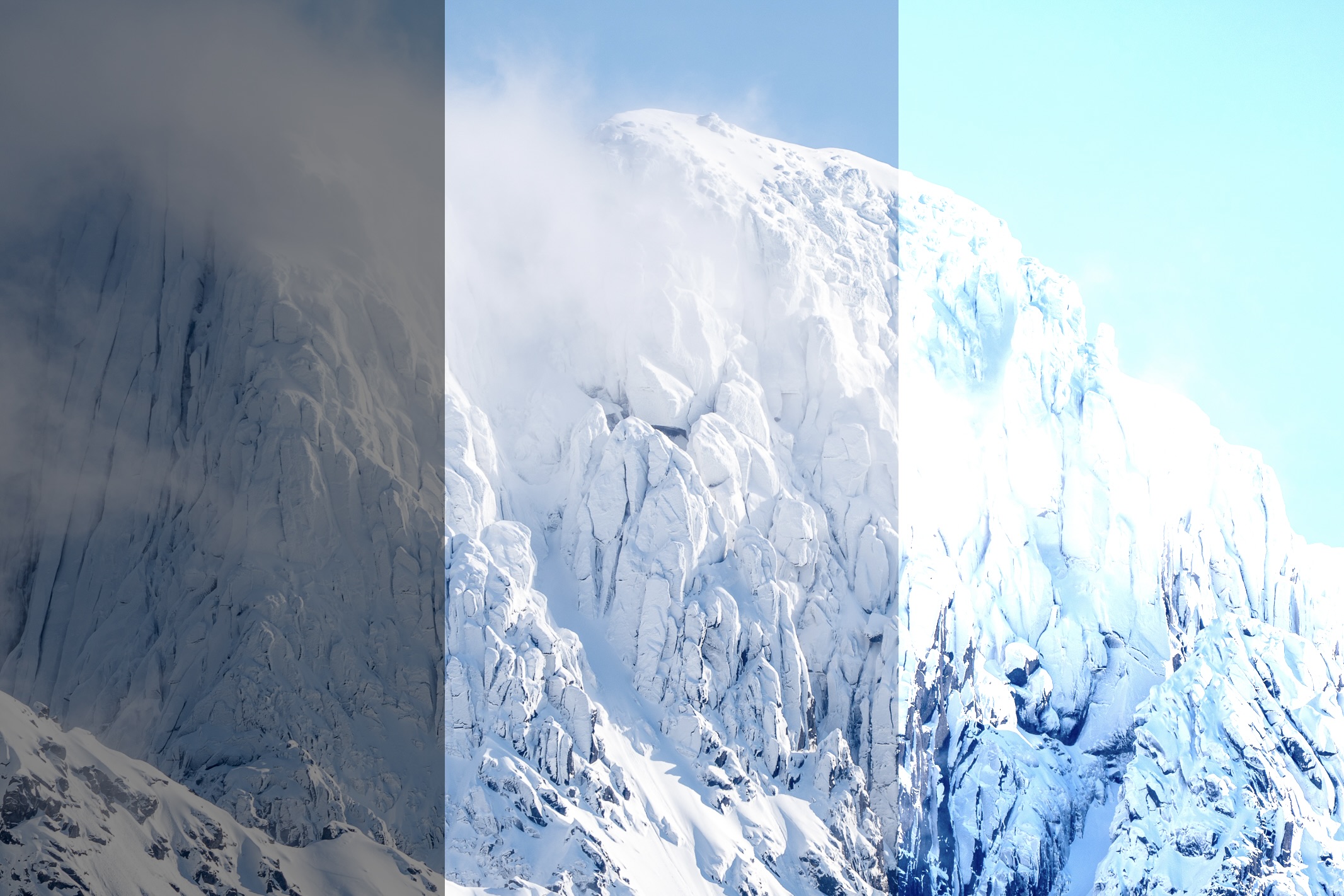
Perhaps you have already noticed the difference: on a sunny day the shadows look sharp and clear, and the light itself is bright and direct. This is hard light. It brings out contrasts and makes details particularly clear. Soft light feels completely different. On cloudy days or when you photograph indoors in front of a window with a thin curtain, the light spreads gently and evenly. The shadows are barely noticeable and the picture looks calmer and more pleasant. Once you try this, you will quickly notice what mood each kind of light conveys. [1] [2]

sunny day, hard light, strong contrasts and oversaturated colours
f/6.3 | 1/2000 sec | ISO 800 | 600 mm
Sony a7 IV | Sony FE 200-600mm F5.6-6.3 G OSS

cloudy day, soft light, balanced colours and a calm effect
f/6.3 | 1/1250 sec | ISO 1250 | 600 mm
Sony a7 IV | Sony FE 200-600mm F5.6-6.3 G OSS
Where does the light come from?
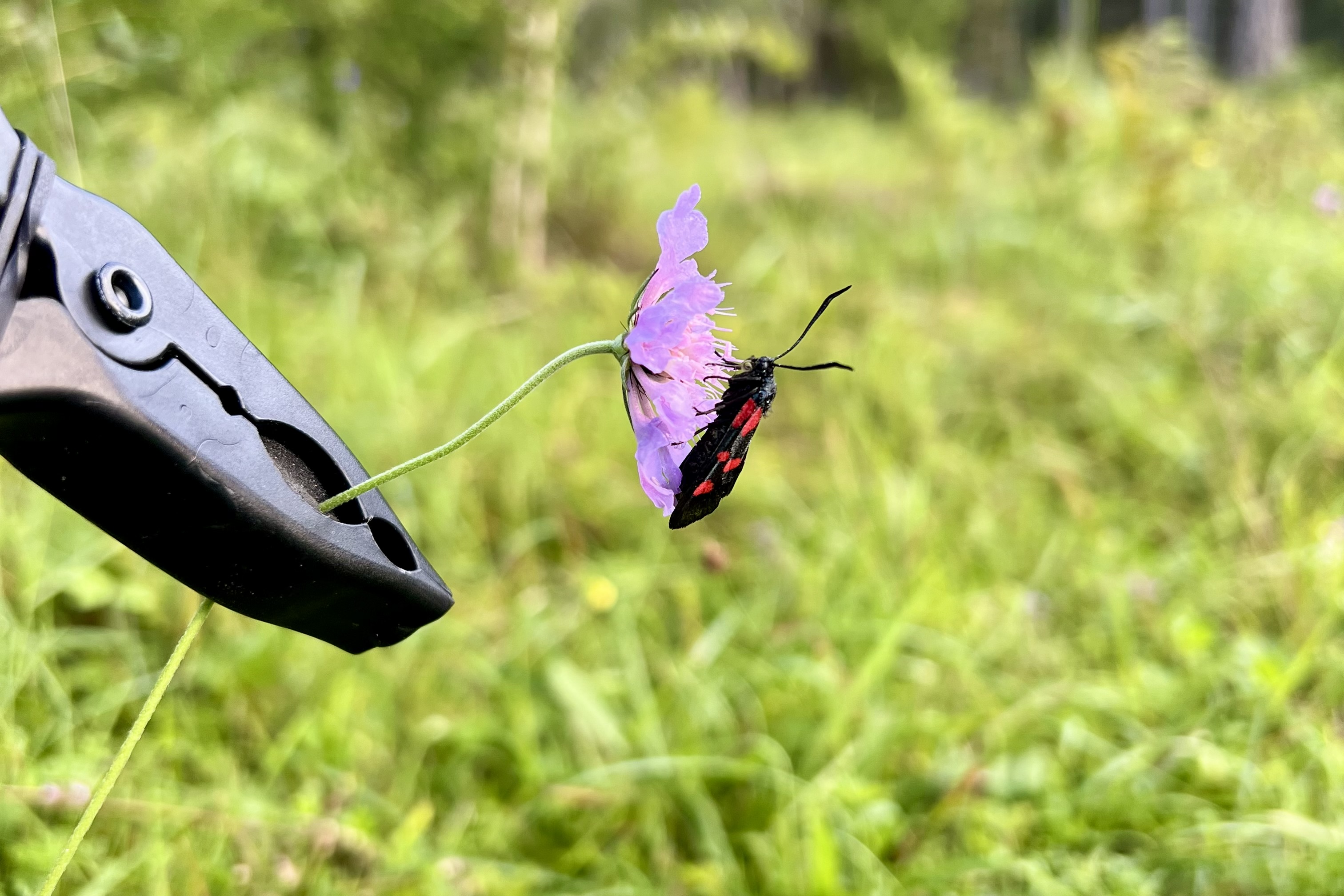
Not only the quality of the light is decisive – its direction also changes your picture. When the light comes from the front, your subject usually looks even, but it lacks depth. Side light, on the other hand, brings out textures and shapes because it casts shadows and emphasises contours. This makes the picture more lively and exciting. Light from behind can separate your subject impressively from the background and create a special atmosphere. [2]

Light from the front
f/6.3 | 1/2000 sec | ISO 500 | 600 mm
Sony a7 IV | Sony FE 200-600mm F5.6-6.3 G OSS
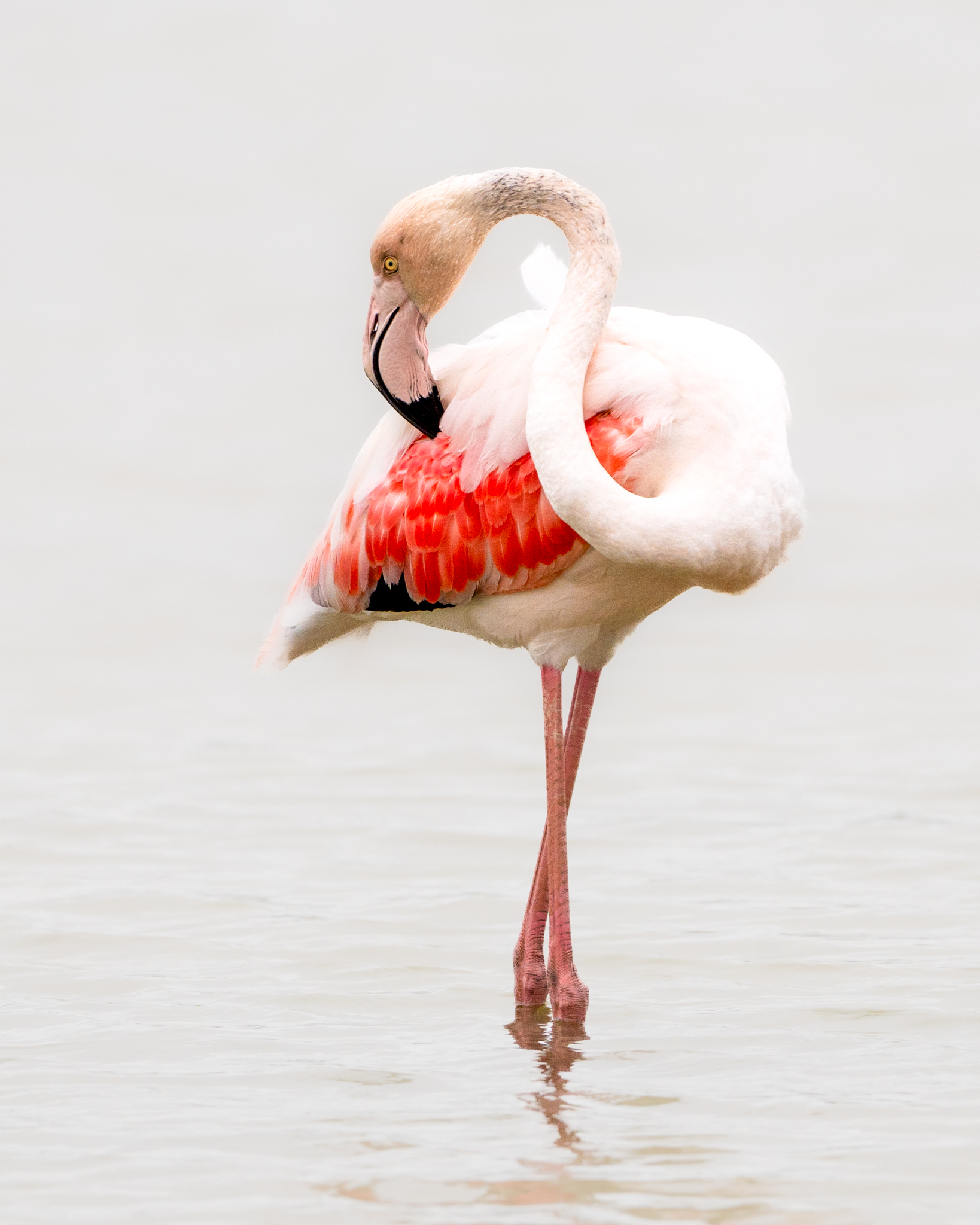
Light from the front
f/6.3 | 1/1000 sec | ISO 800 | 600 mm
Sony a7 IV | Sony FE 200-600mm F5.6-6.3 G OSS
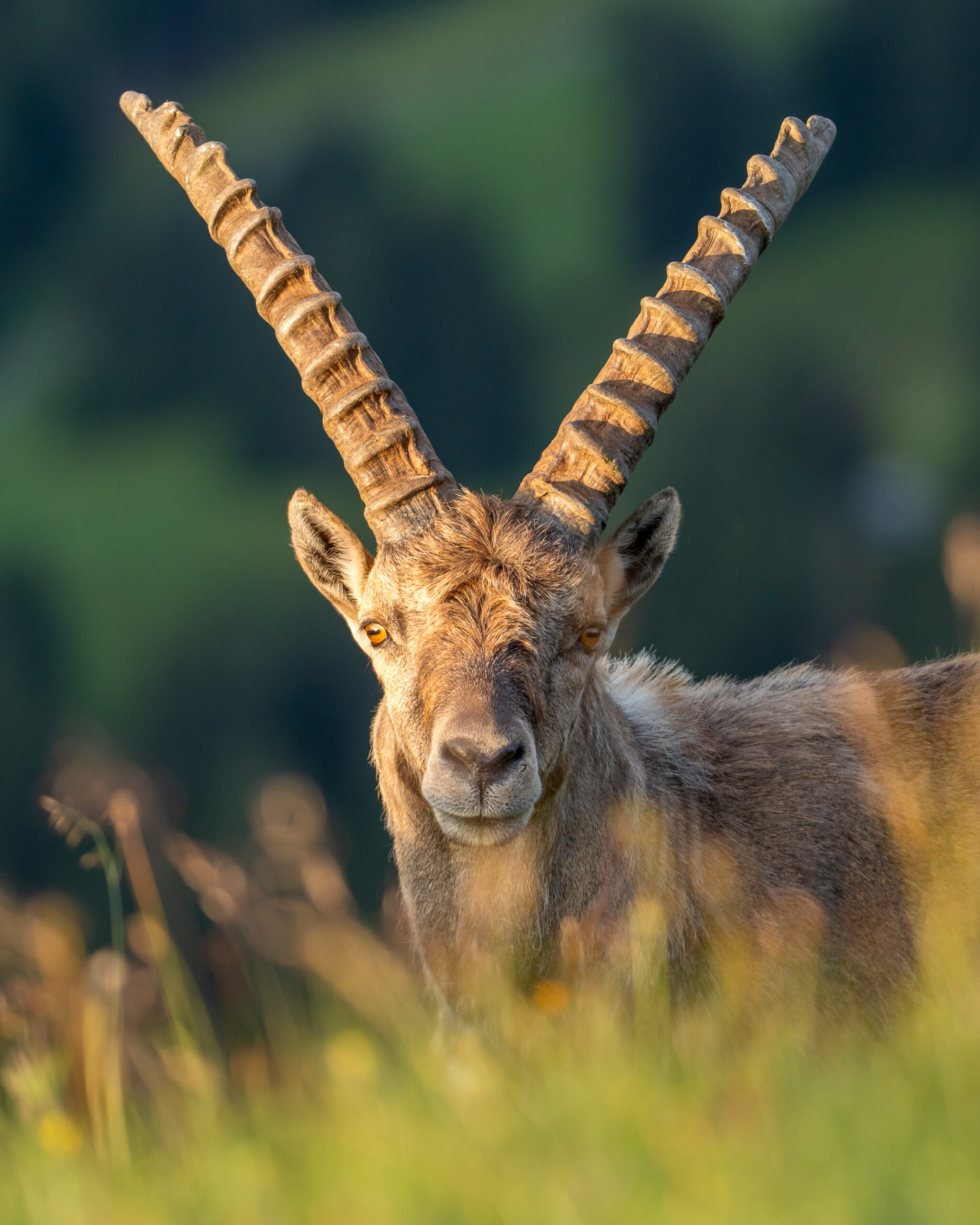
Side light
f/6.3 | 1/1000 sec | ISO 1600 | 395 mm
Sony a7 IV | Sony FE 200-600mm F5.6-6.3 G OSS
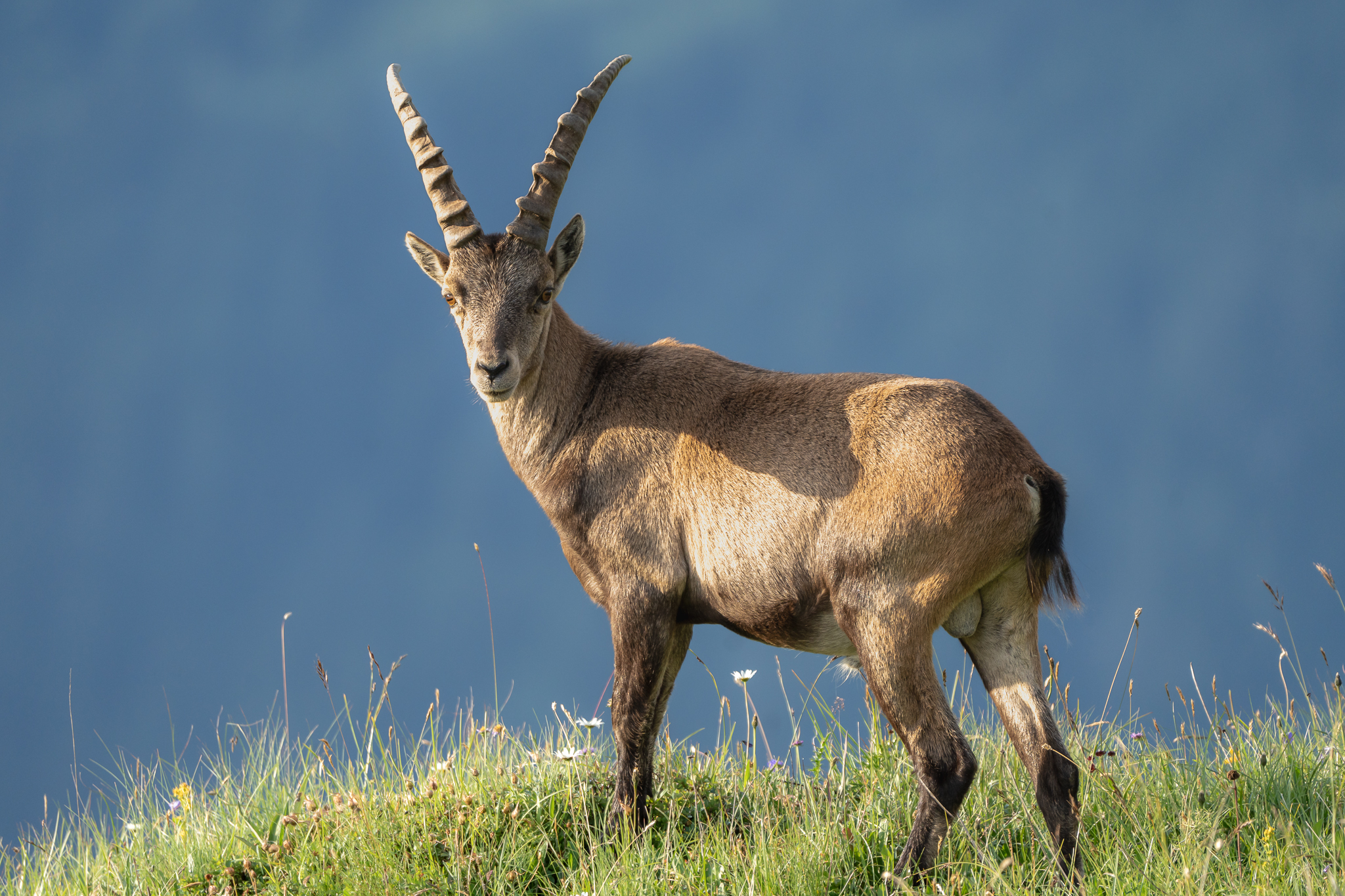
Side light
f/6.3 | 1/500 sec | ISO 640 | 600 mm
Sony a7 IV | Sony FE 200-600mm F5.6-6.3 G OSS
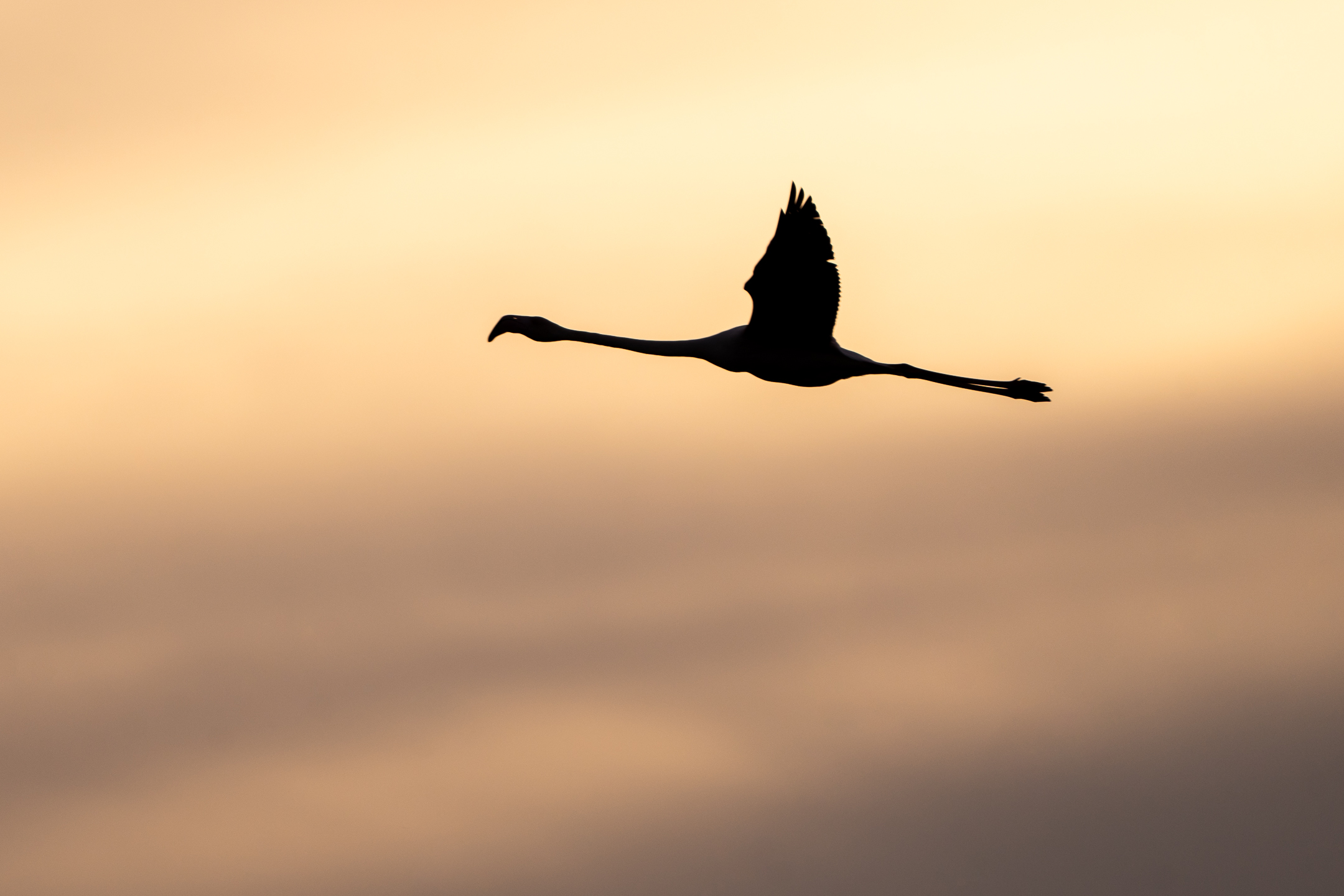
Light from behind – backlit shot, deliberately kept dark.
f/6.3 | 1/1250 sec | ISO 200 | 600 mm
Sony a7 IV | Sony FE 200-600mm F5.6-6.3 G OSS

Light from behind
f/6.3 | 1/1600 sec | ISO 800 | 600 mm
Sony a7 IV | Sony FE 200-600mm F5.6-6.3 G OSS
The best light comes from outside
Daylight is the best friend of us beginners, because it is free and available everywhere. It changes constantly. In the morning and evening the light is soft and warm, at midday rather cool and bright. If you know this, you can deliberately choose the time of day that suits your subject. [2]
The pictures were taken in fine weather at different times of day.
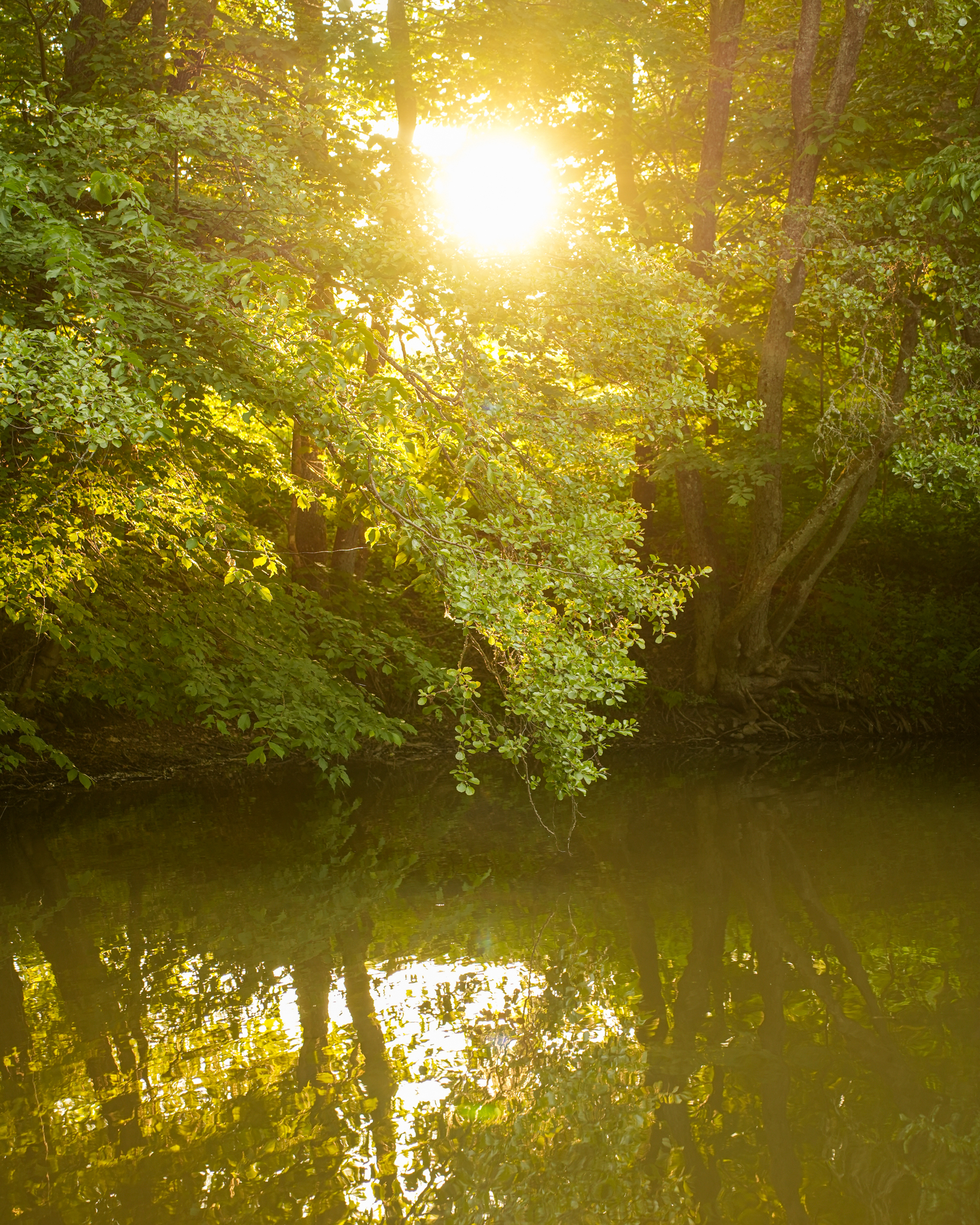
Morning light
f/2.8 | 1/80 sec | ISO 200 | 66 mm
Sony a7 IV | Tamron 28–75mm F/2.8 Di III VXD G2 (Model A063)
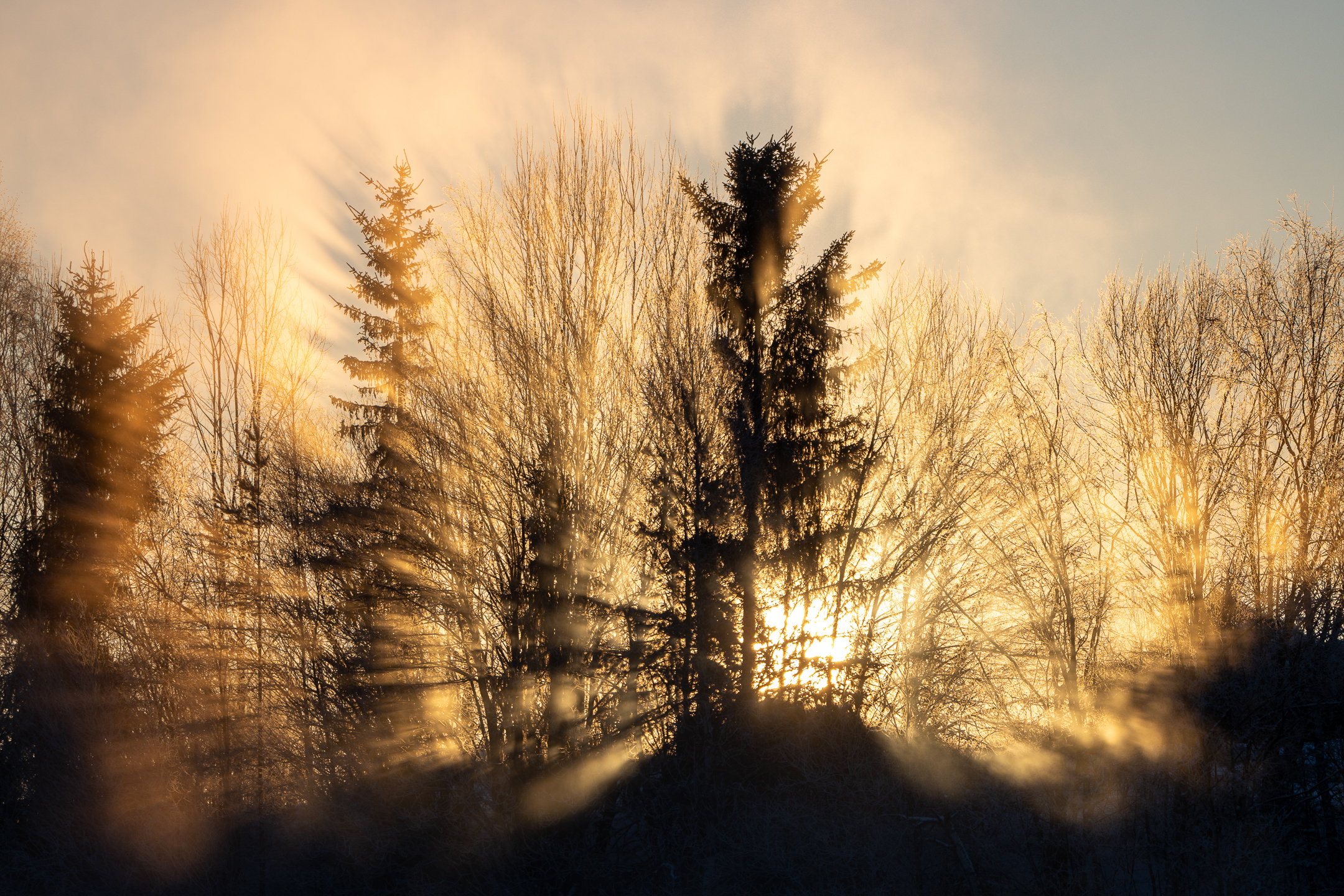
Sunrise
f/5.6 | 1/1000 sec | ISO 100 | 240 mm
Sony a7 IV | Sony FE 200-600mm F5.6-6.3 G OSS
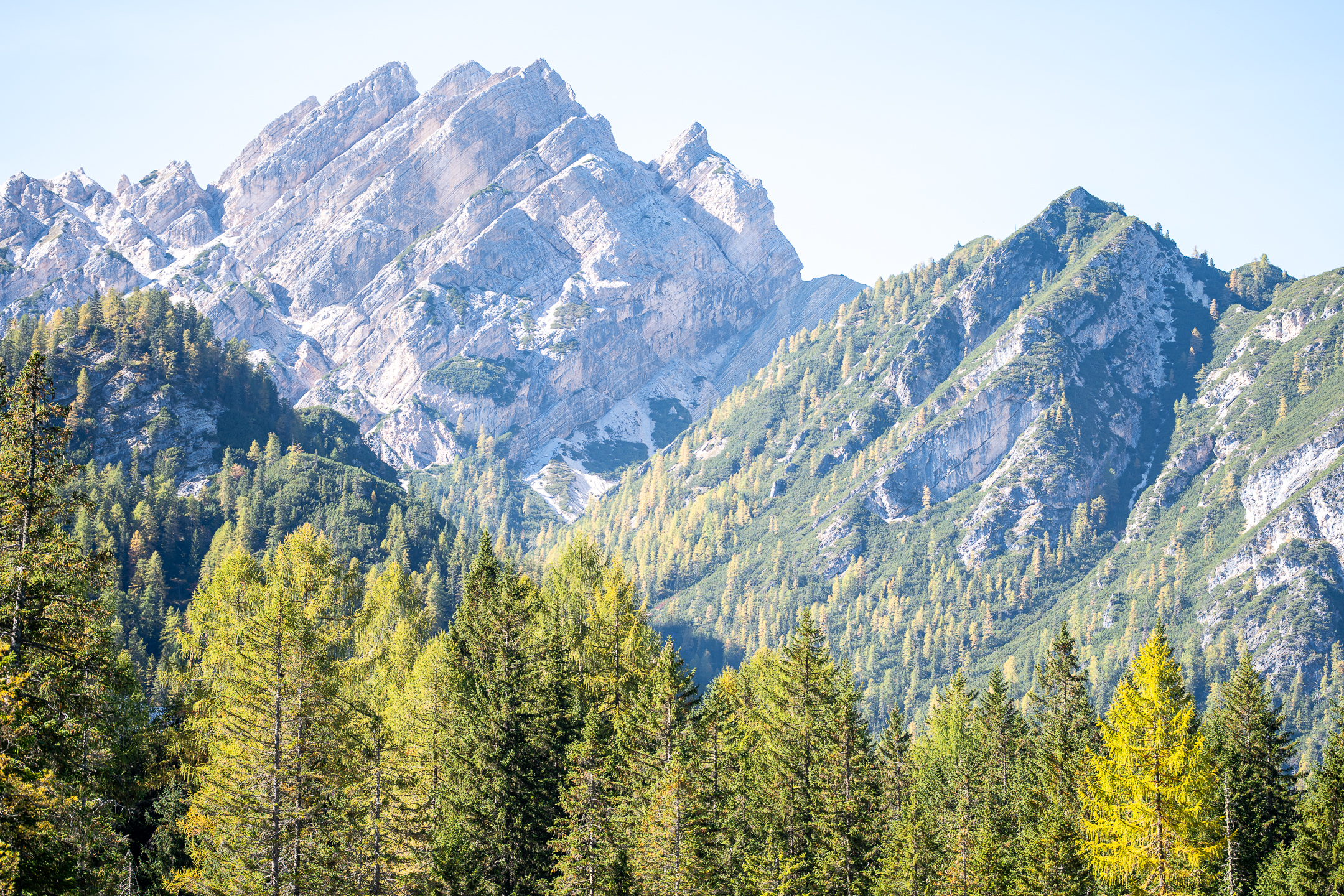
Midday light
f/2.8 | 1/500 sec | ISO 100 | 105 mm
Sony a7 IV | Sigma 105/2.8 DG DN Macro Art
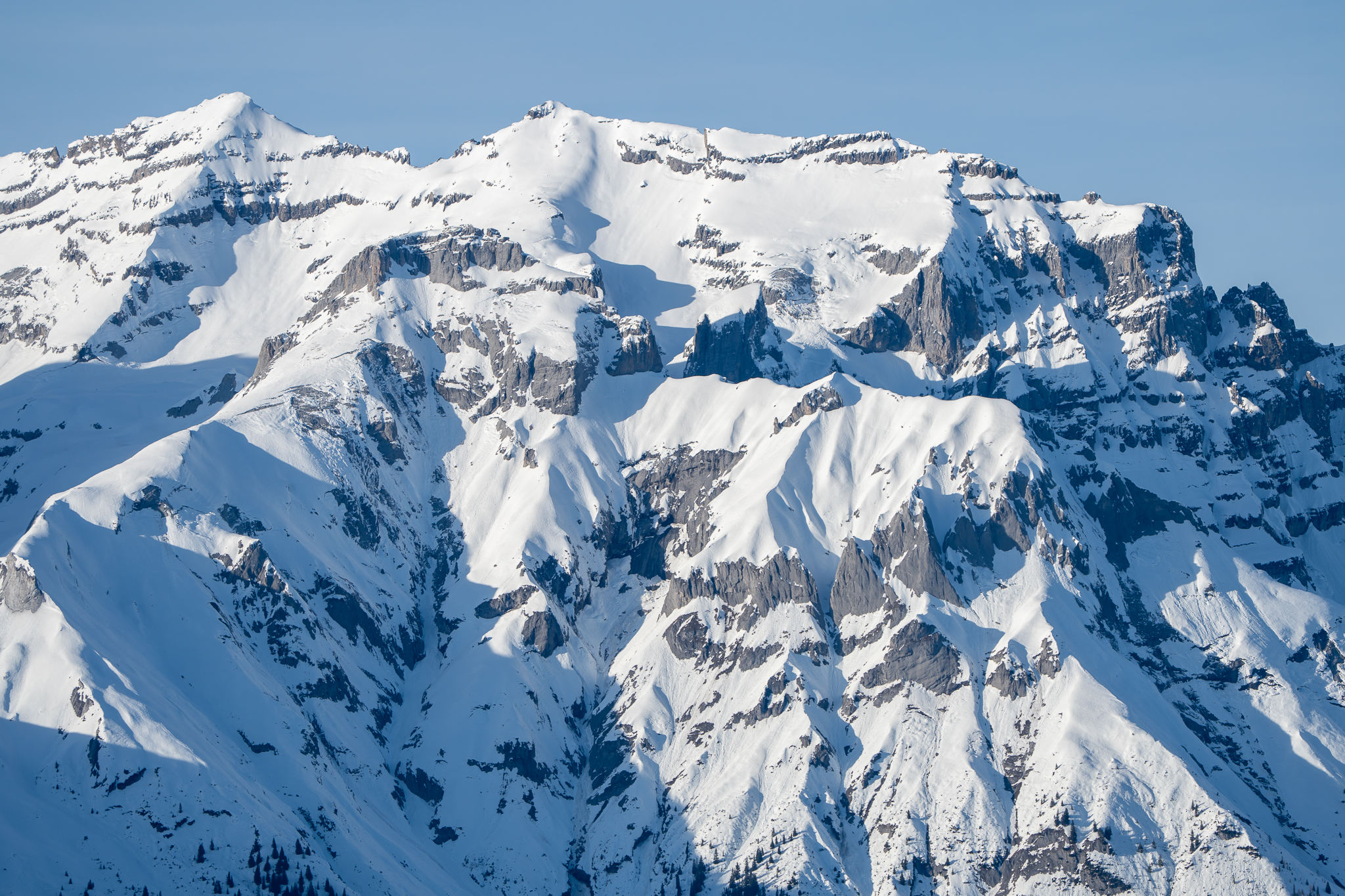
Afternoon light
f/6.3 | 1/500 sec | ISO 100 | 200 mm
Sony a7 IV | Sony FE 200-600mm F5.6-6.3 G OSS
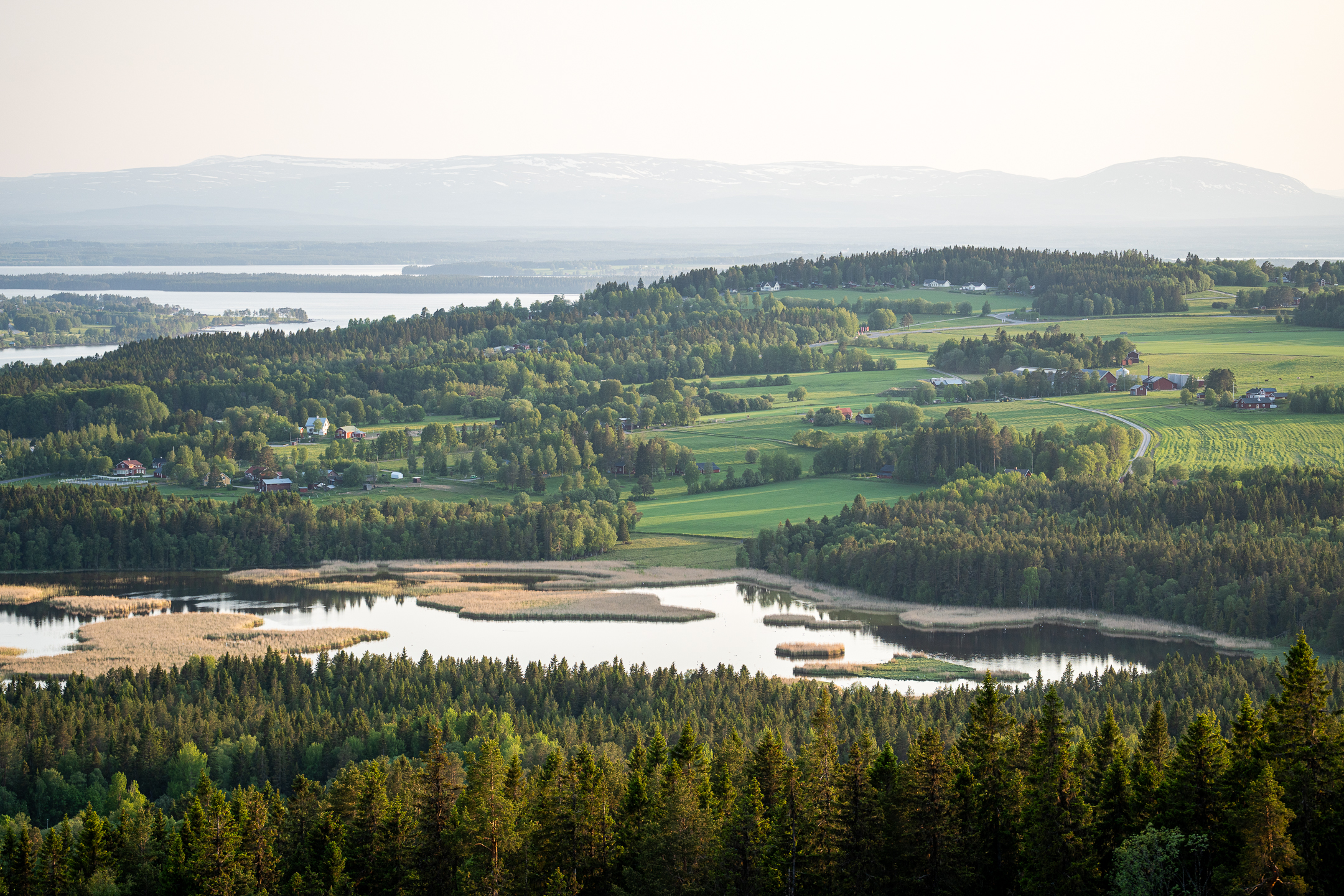
Evening light
f/2.8| 1/1250 sec | ISO 250 | 105 mm
Sony a7 IV | Sigma 105/2.8 DG DN Macro Art
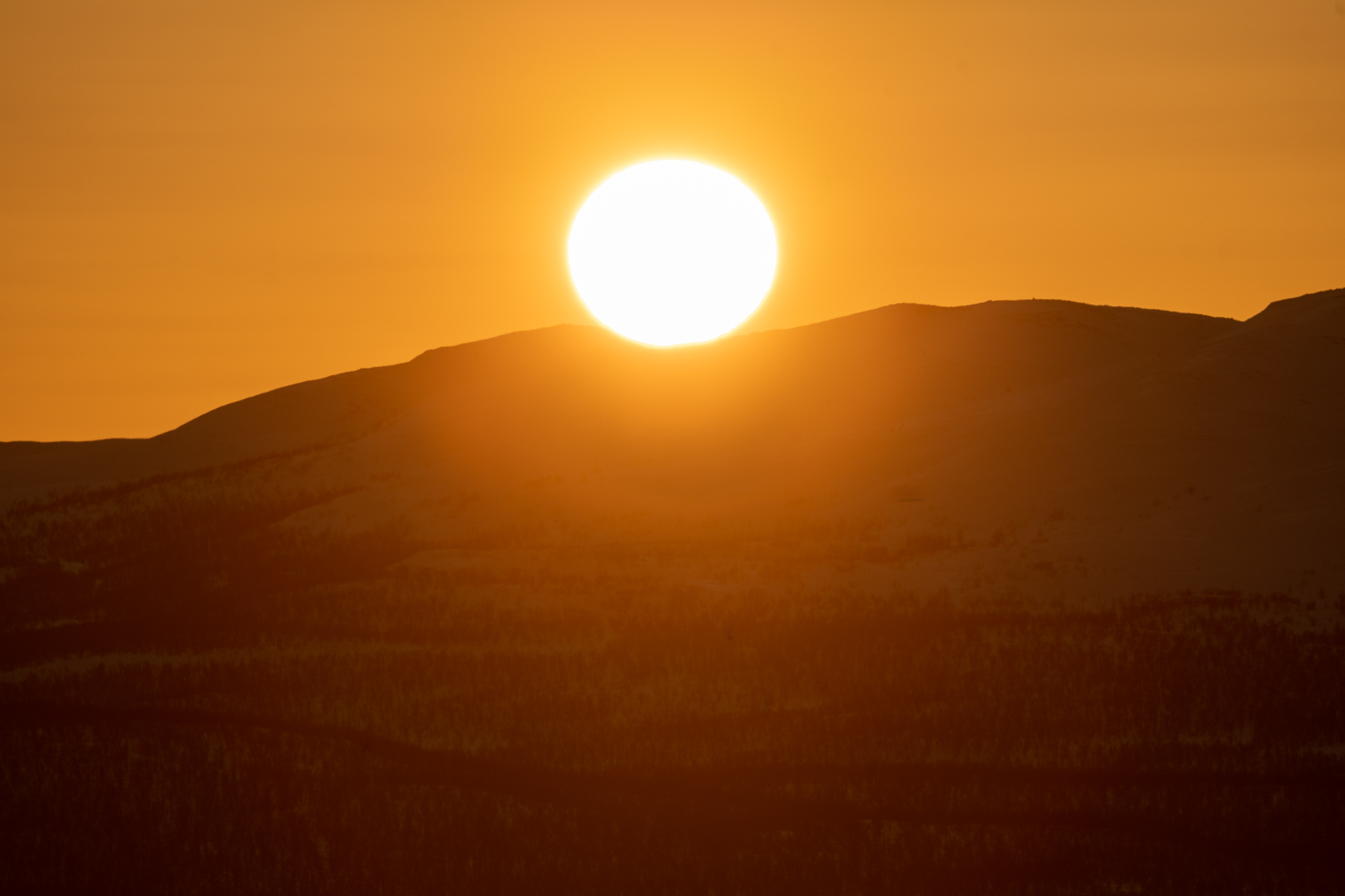
Sunset
f/6.3 | 1/1250 sec | ISO 100 | 600 mm
Sony a7 IV | Sony FE 200-600mm F5.6-6.3 G OSS
Shadows are more than just darkness
Shadows give your picture depth and tension. They show you where shapes are and bring movement into the photo. If you use shadows deliberately, the most beautiful effects often emerge. You can use them to emphasise textures or create a particular mood. You don’t always have to avoid shadows or brighten them completely. Sometimes it is precisely a slight shadow that makes your picture interesting and lively. Simply try out how light and shadow affect your subject and play with the possibilities. [2]
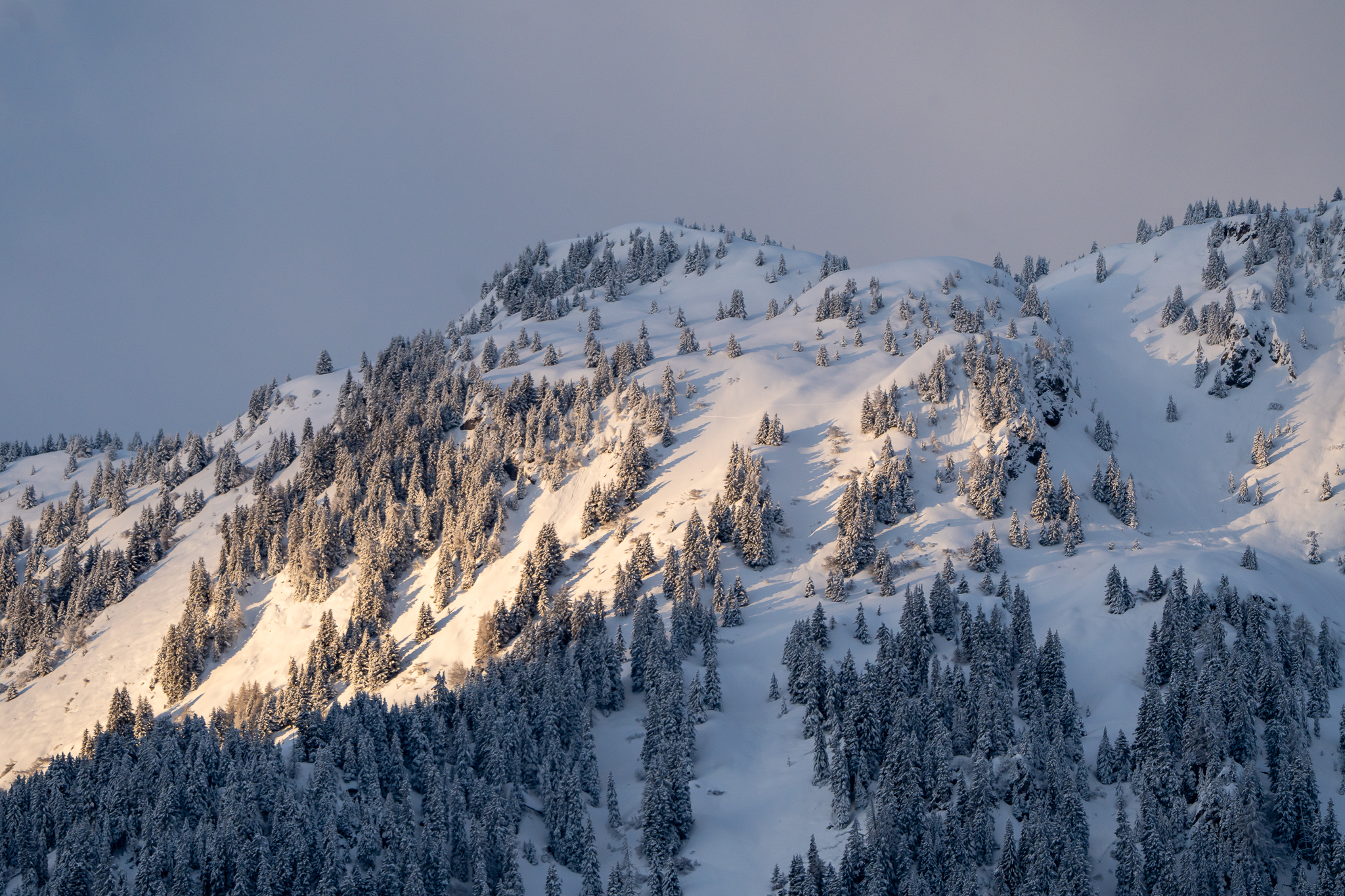
Parts of the mountain forest lie in the shade.
f/6.3 | 1/1250 sec | ISO 500 | 330 mm
Sony a7 IV | Sony FE 200-600mm F5.6-6.3 G OSS
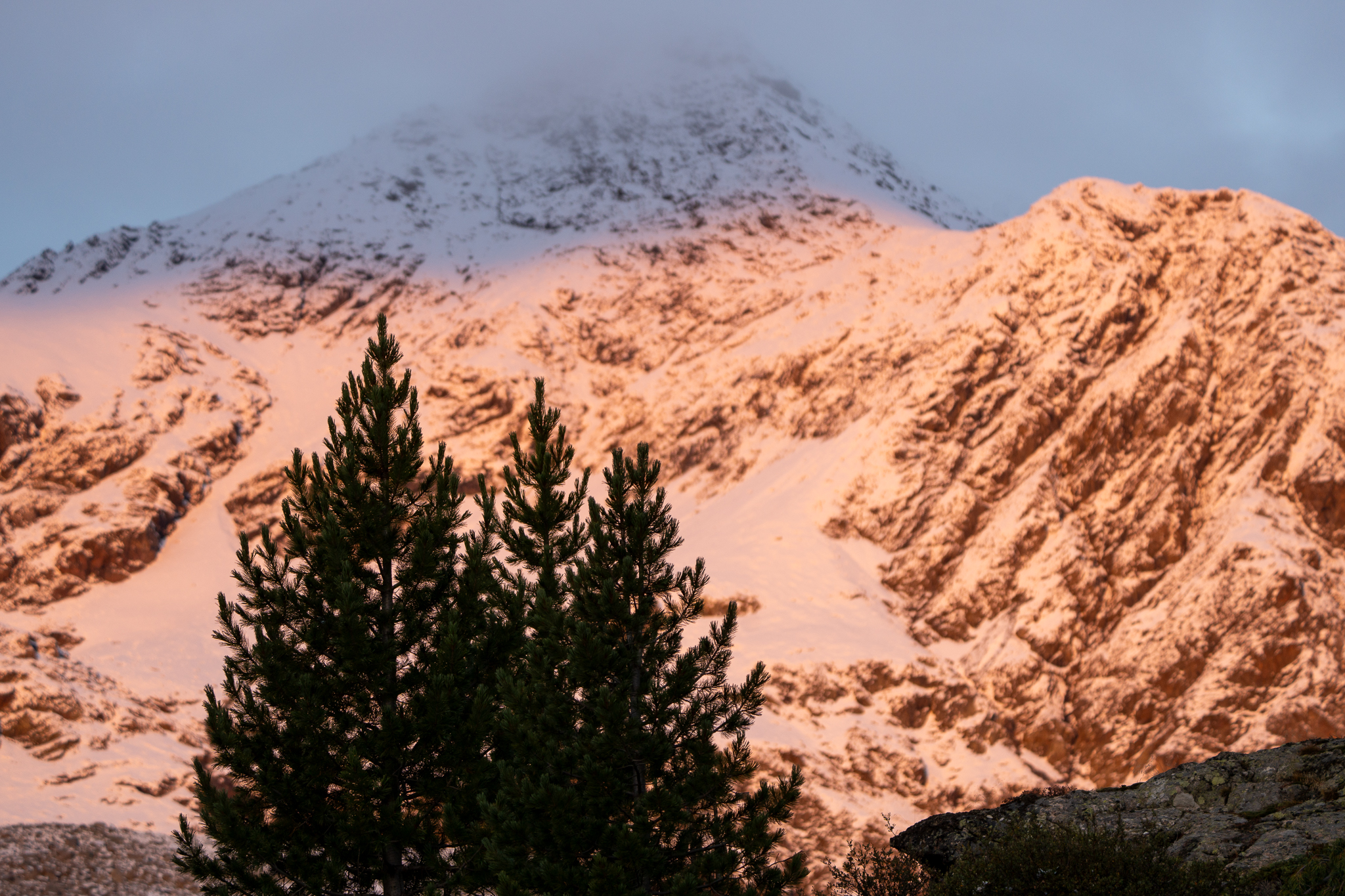
The pine in the foreground is also in the shade.
f/5.6 | 1/125 sec | ISO 250 | 200 mm
Sony a7 IV | Sony FE 200-600mm F5.6-6.3 G OSS
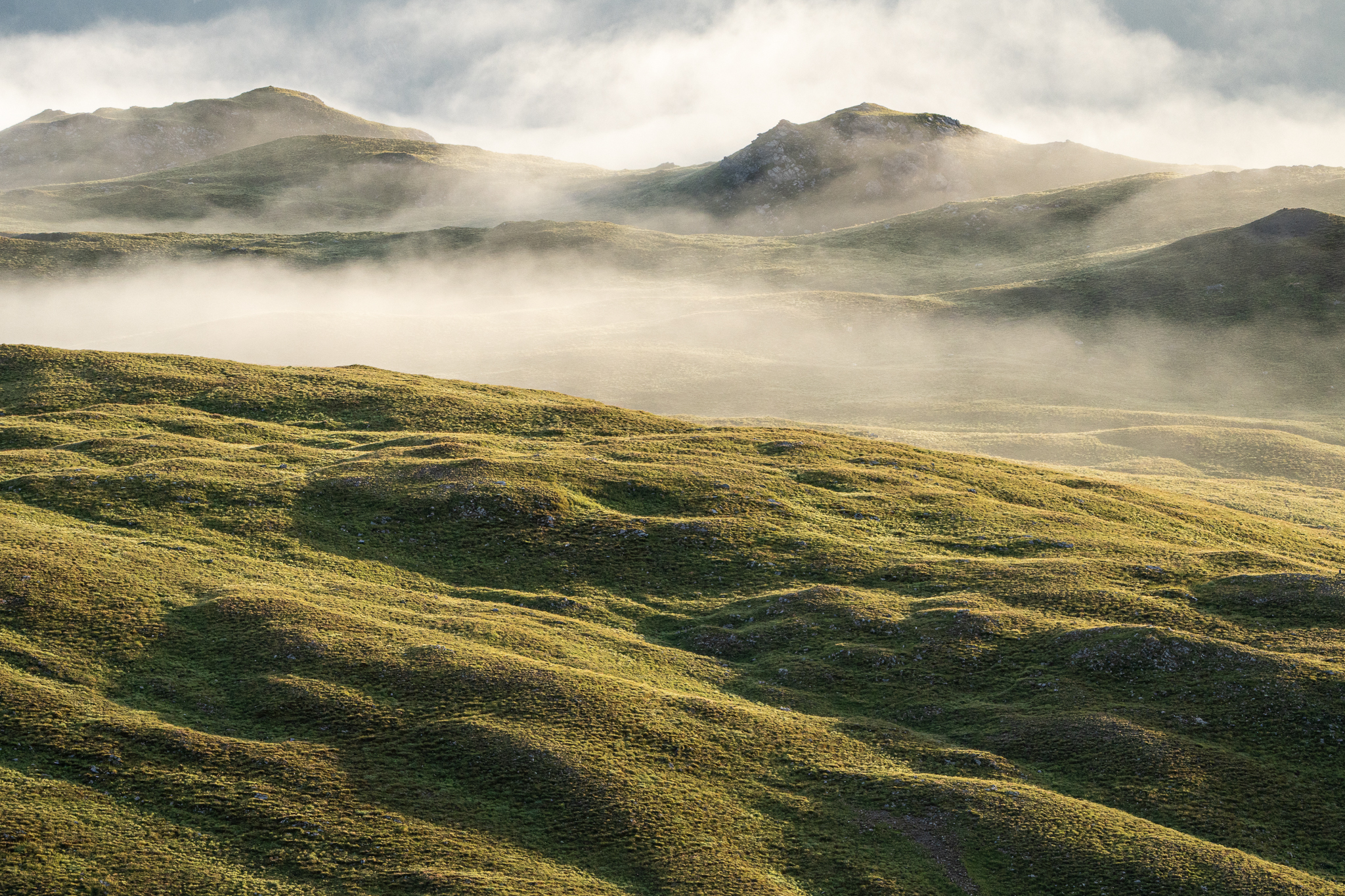
The side light creates striking shadows on the back of the hills.
f/6.3 | 1/800 sec | ISO 1000 | 200 mm
Sony a7 IV | Sony FE 200-600mm F5.6-6.3 G OSS
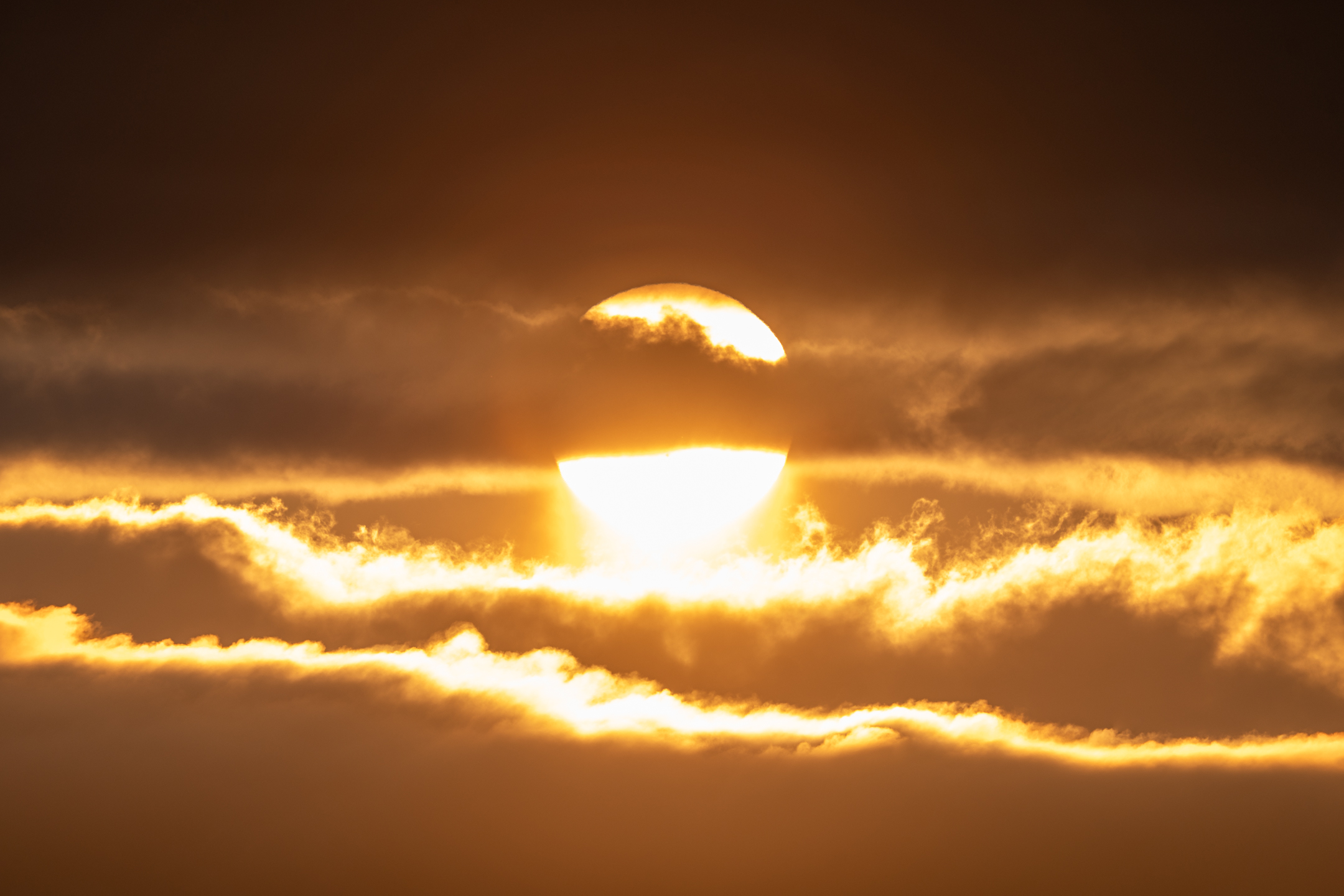
At sunset, veils of cloud cover part of the sun, so that the shadows contrast with the brightly lit clouds.
f/6.3 | 1/400 sec | ISO 100 | 600 mm
Sony a7 IV | Sony FE 200-600mm F5.6-6.3 G OSS
Light and mood when the weather changes
Light changes constantly, not only in the course of the day, but also with the weather. A clear, sunny day brings bright, strong light, while clouds make the light soft and even. Rain or fog create a very special atmosphere that is wonderful for atmospheric photos. If you make use of the weather instead of being put off by it, you will get pictures that tell a story. Especially on days when the light does not seem perfect, you often find the most exciting subjects. [2]
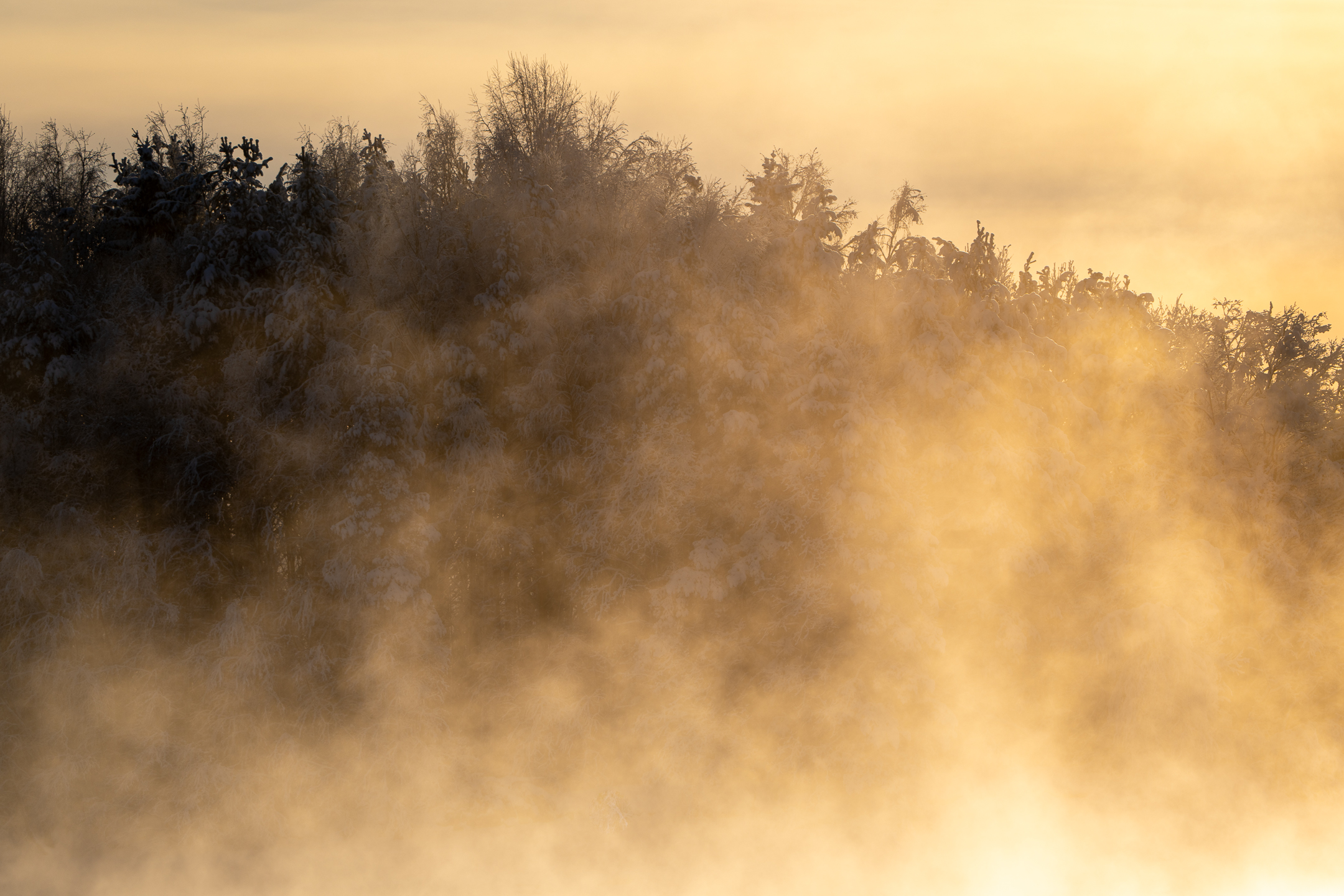
rising mist by a river in the morning
f/6.3 | 1/1000 sec | ISO 50 | 325 mm
Sony a7 IV | Sony FE 200-600mm F5.6-6.3 G OSS
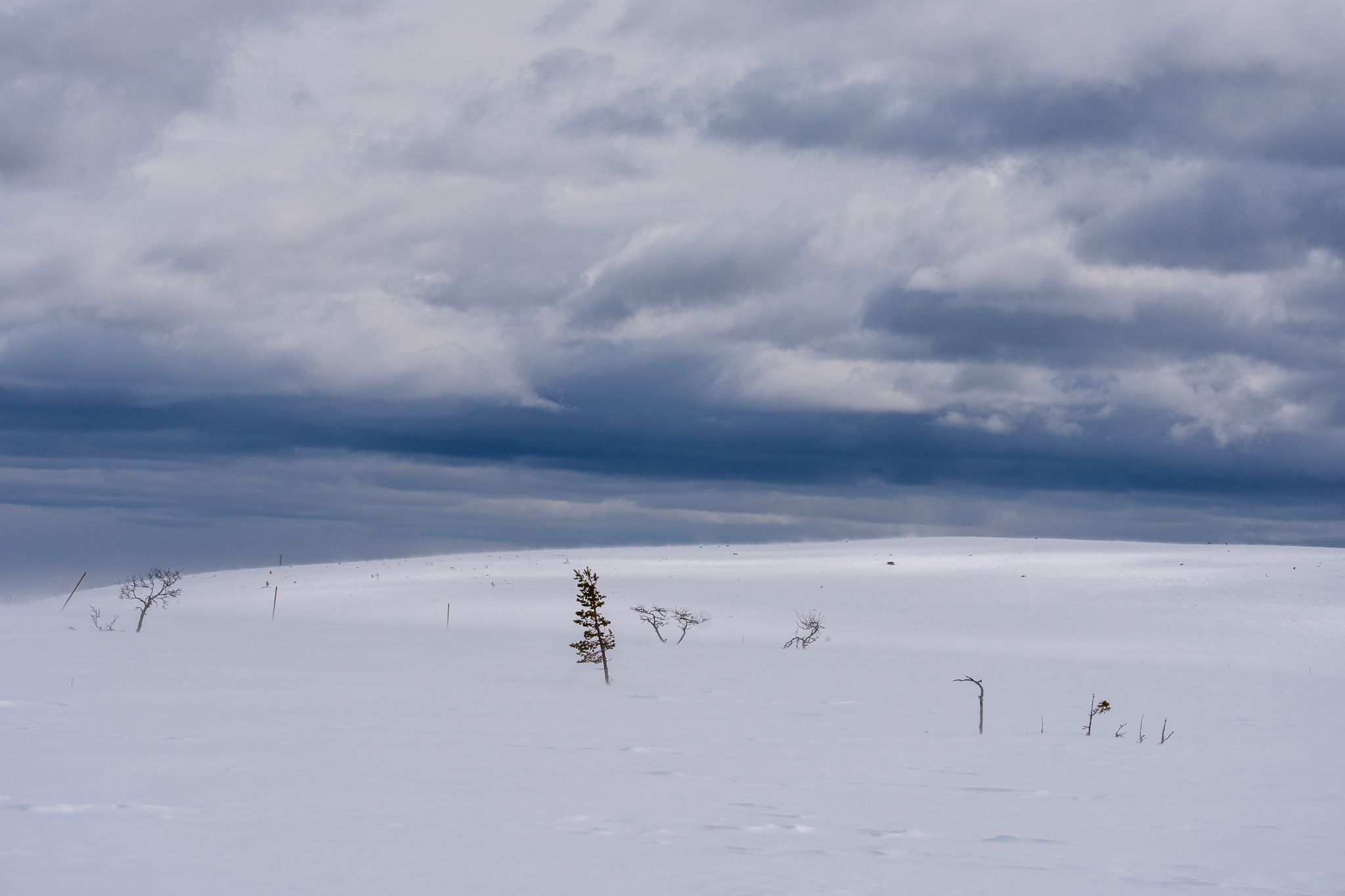
heavy cloud
f/7.1| 1/2000 sec | ISO 125 | 105 mm
Sony a7 IV | Sigma 105/2.8 DG DN Macro Art
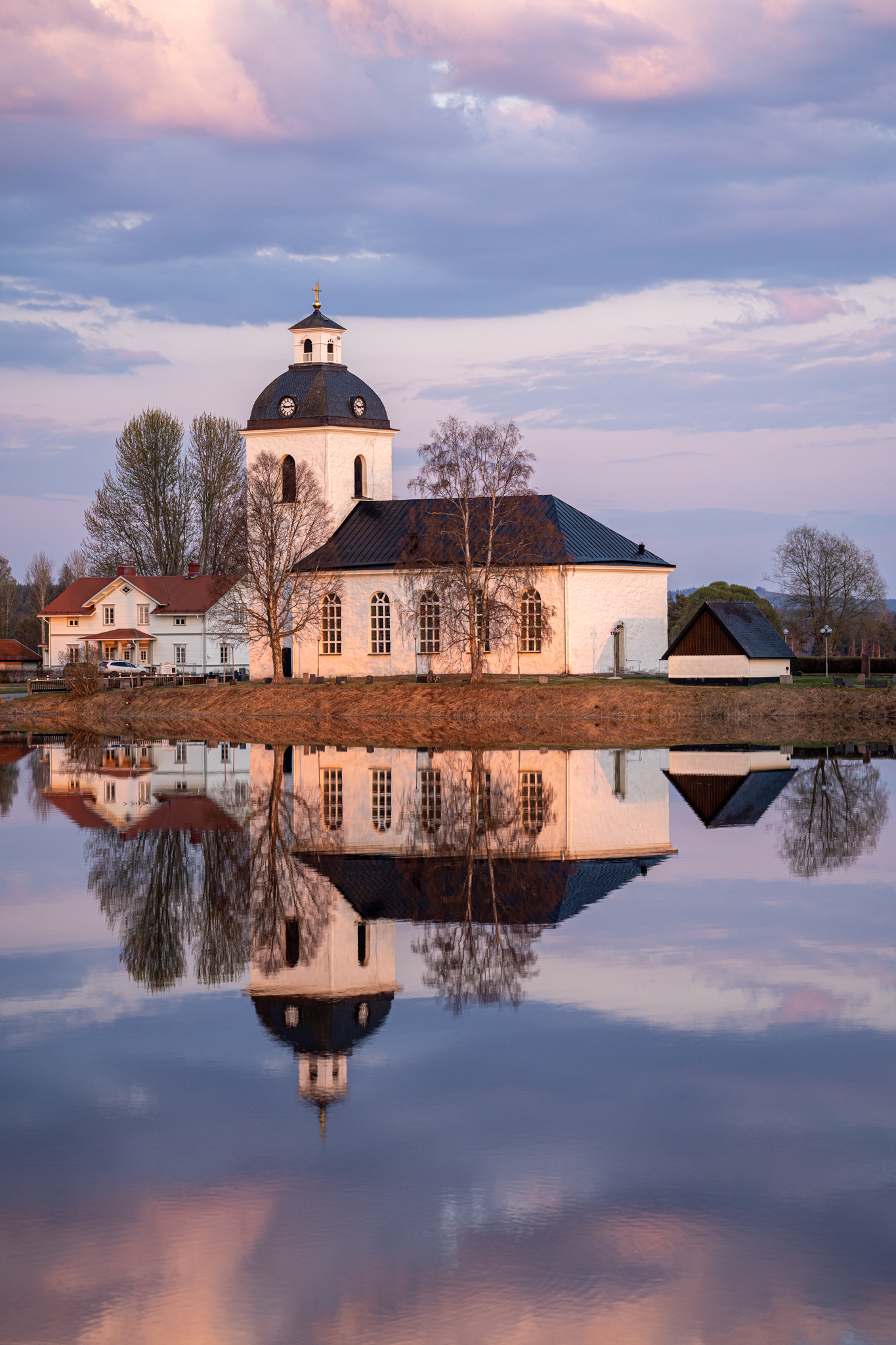
light cloud in the evening
f/2.8| 1/500 sec | ISO 250 | 105 mm
Sony a7 IV | Sigma 105/2.8 DG DN Macro Art
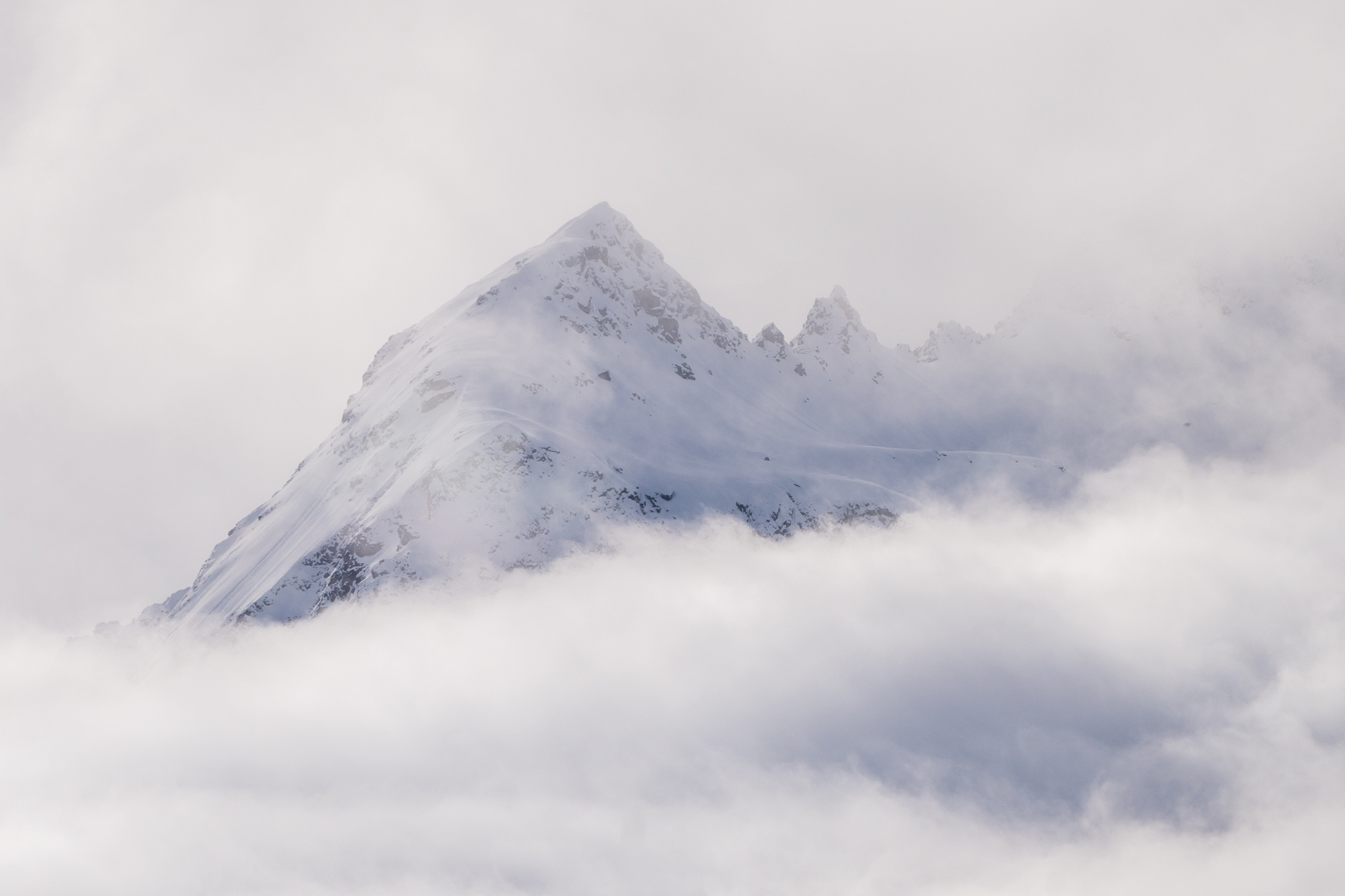
light cloud during the day
f/6.3 | 1/2000 sec | ISO 100 | 600 mm
Sony a7 IV | Sony FE 200-600mm F5.6-6.3 G OSS
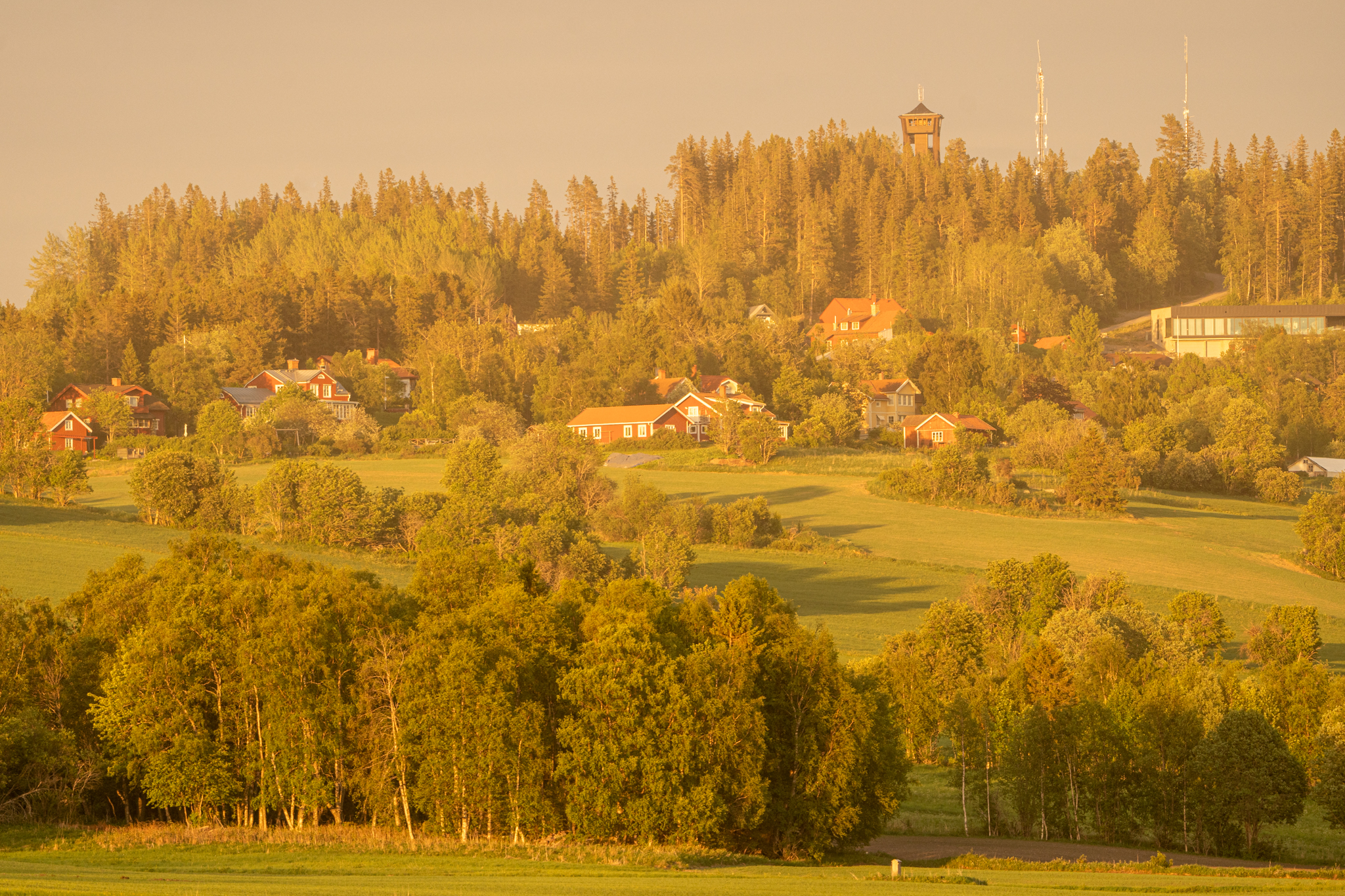
extremely diffuse light through thin clouds in the evening
f/6.3 | 1/160 sec | ISO 500 | 340 mm
Sony a7 IV | Sony FE 200-600mm F5.6-6.3 G OSS
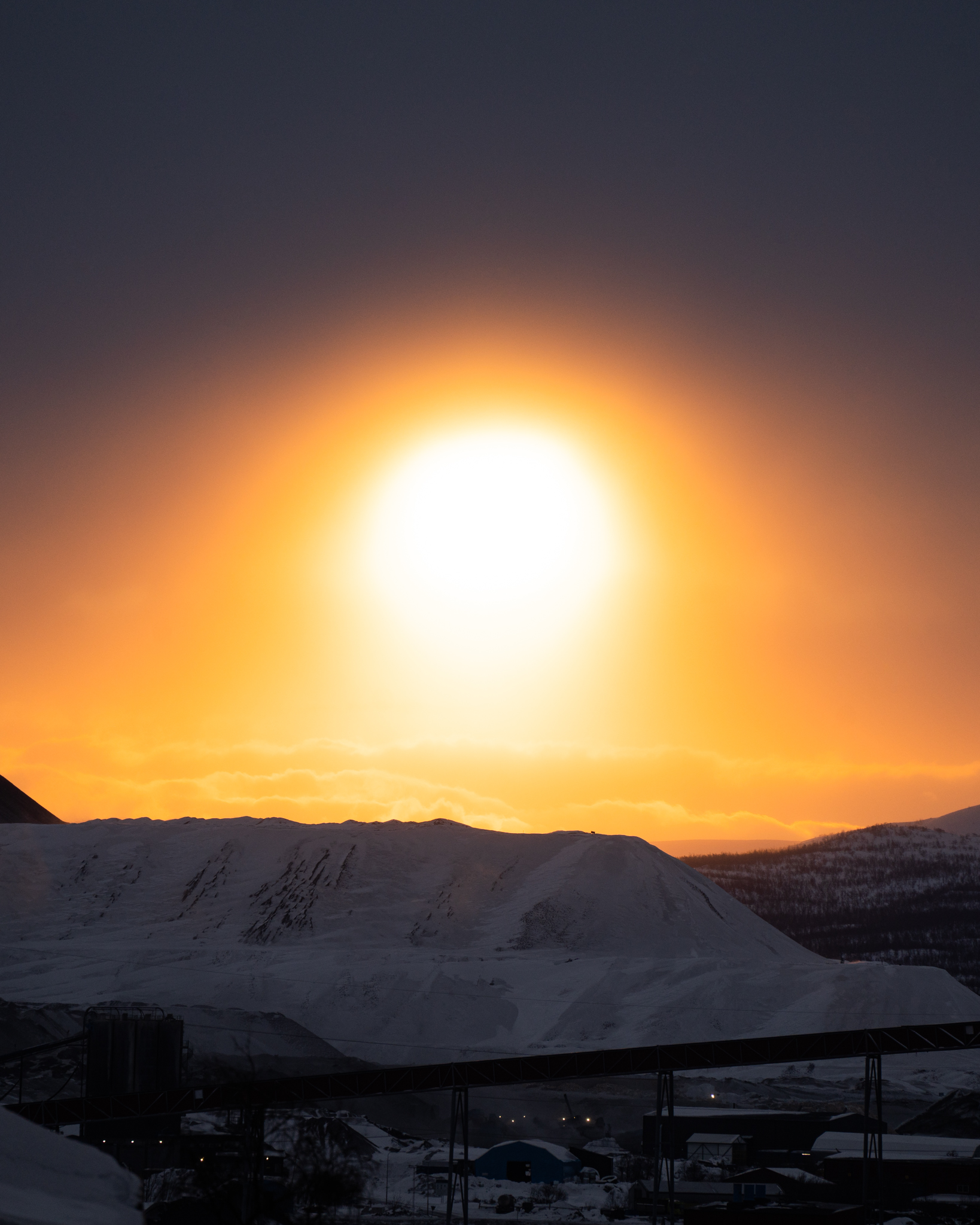
Sunset with veil clouds
f/6.3 | 1/640 sec | ISO 250 | 300 mm
Tamron 70-300mm F/4.5-6.3 Di III RXD (Model A047)
Further resources
Nigel Danson. (2023, November 12). Are you Focusing Correctly? [Video]. YouTube. https://www.youtube.com/watch?v=G16E7OQfZ6A
Sources
- Zangl, C. (2023a, July 2). Weiches und hartes Licht. Digitipps Fotografie [in German]. https://www.digitipps.ch/fotopraxis/weiches-und-hartes-licht/
- Glatte, J. (2023b, January 22). Licht in der Fotografie: Sieh es und nutze es! Lichter Der Welt [in German]. https://lichterderwelt.de/licht-fotografie/