On a warm spring evening I am out on my bike looking for birds. It has not rained properly for several weeks, and in many places the ground is now very dry. Suddenly I spot a fountain by the side of the path. In my mind I put myself in the birds’ position and imagine how thirsty they must be in this dry weather. The fountain therefore seems an ideal source of water for them. Conveniently, there is a bench right next to the fountain. So I sit down on it – always holding my camera “ready to shoot” so as to avoid unnecessary movements and not frighten the birds. From afar I can already hear them chirping in the tops of the fir trees. After a short time the first birds approach and land in a nearby rowan tree – only a few metres away from me.
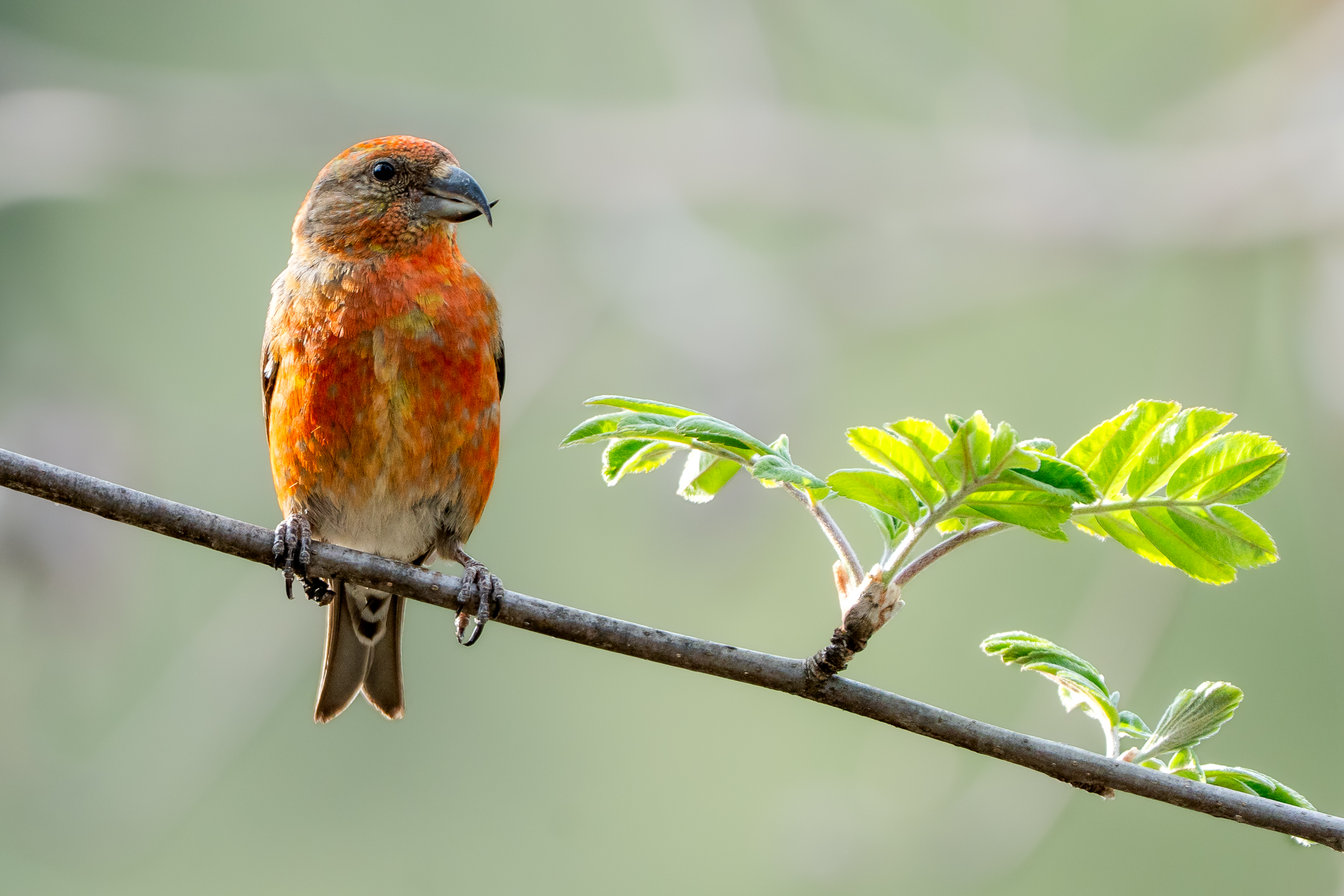
Red Crossbill (Loxia curvirostra) (male) // 1/800 sec | f/6.3 | ISO 1000 | 600 mm
A male red crossbill sits nicely isolated on a branch of the rowan. Males can be recognised by their bright reddish plumage. I am very happy about my first photo of this beautiful bird. Before, I had only been able to photograph this species in South Tyrol. I would never have expected it to show up almost right on my doorstep.
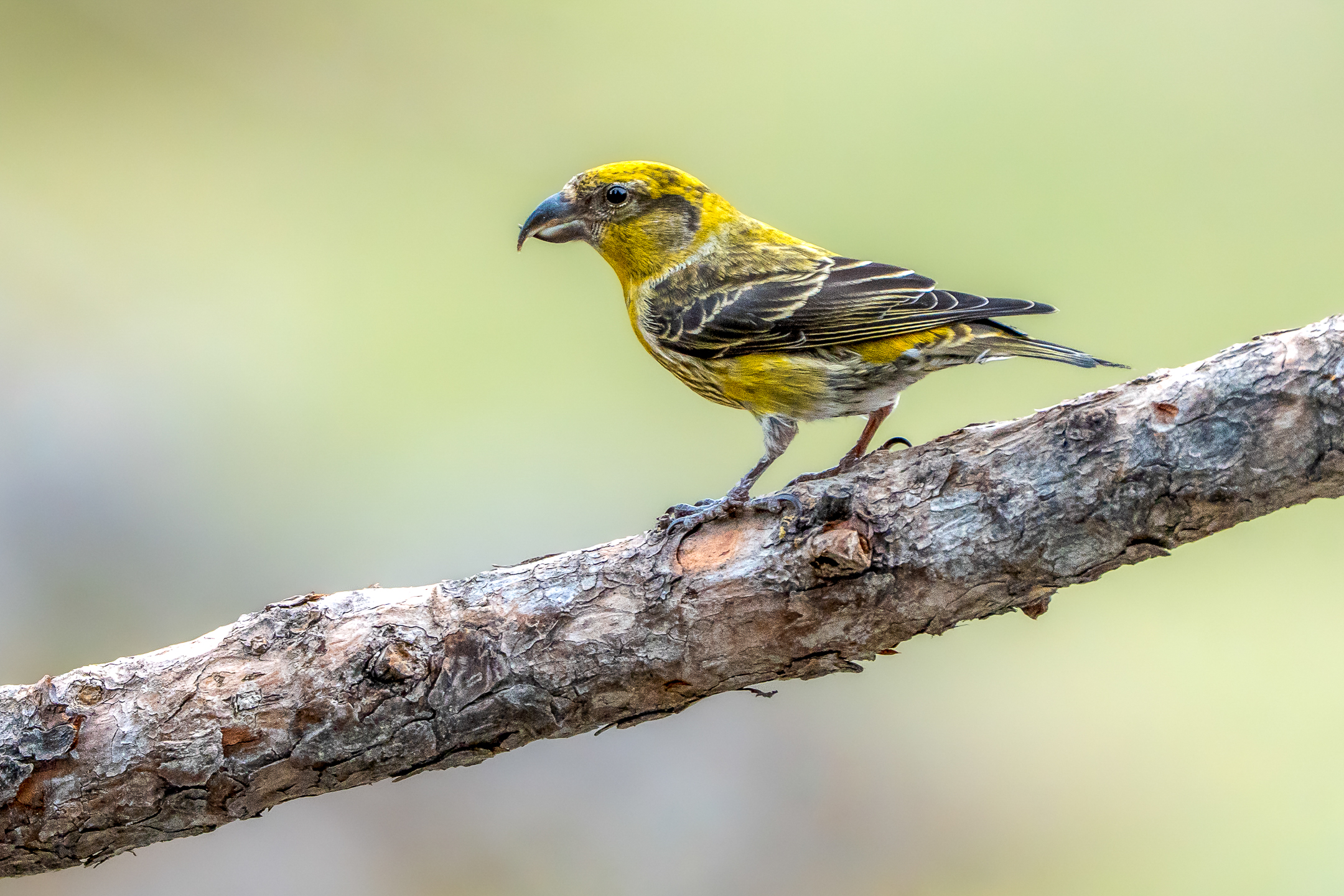
Red Crossbill (Loxia curvirostra) (female) // 1/1000 sec | f/6.3 | ISO 2500 | 600 mm
I wait excitedly for the birds to fly to the fountain. At first they are still hesitant and check the situation. Finally a female lands on a nearby branch. It is easy to tell apart from the male by its greenish-yellow colouring.
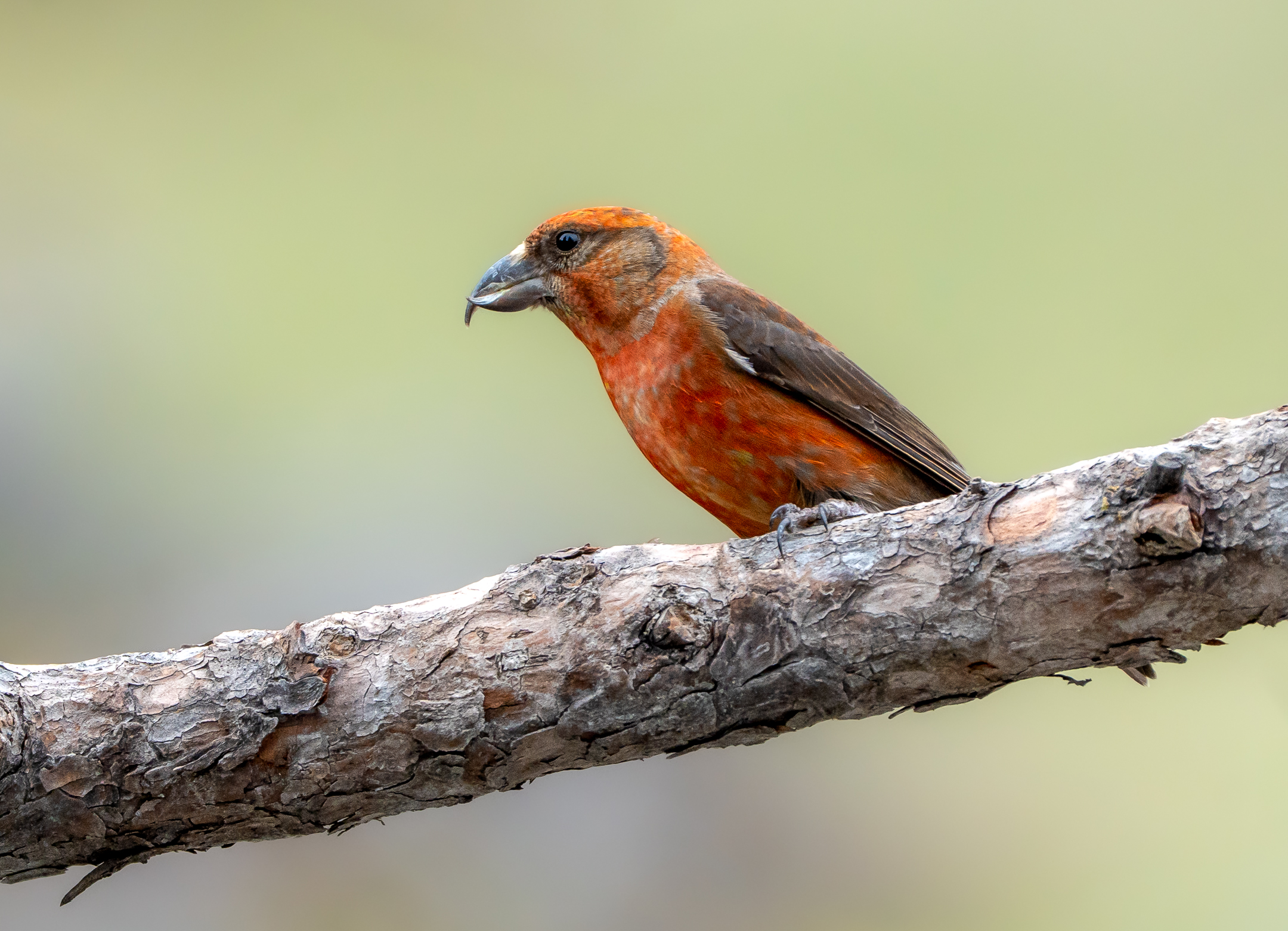
Red Crossbill (Loxia curvirostra) (male) // 1/1000 sec | f/6.3 | ISO 1250 | 600 mm
Shortly after the female, a male follows. I observe this pattern all evening. The females seem to be braver.
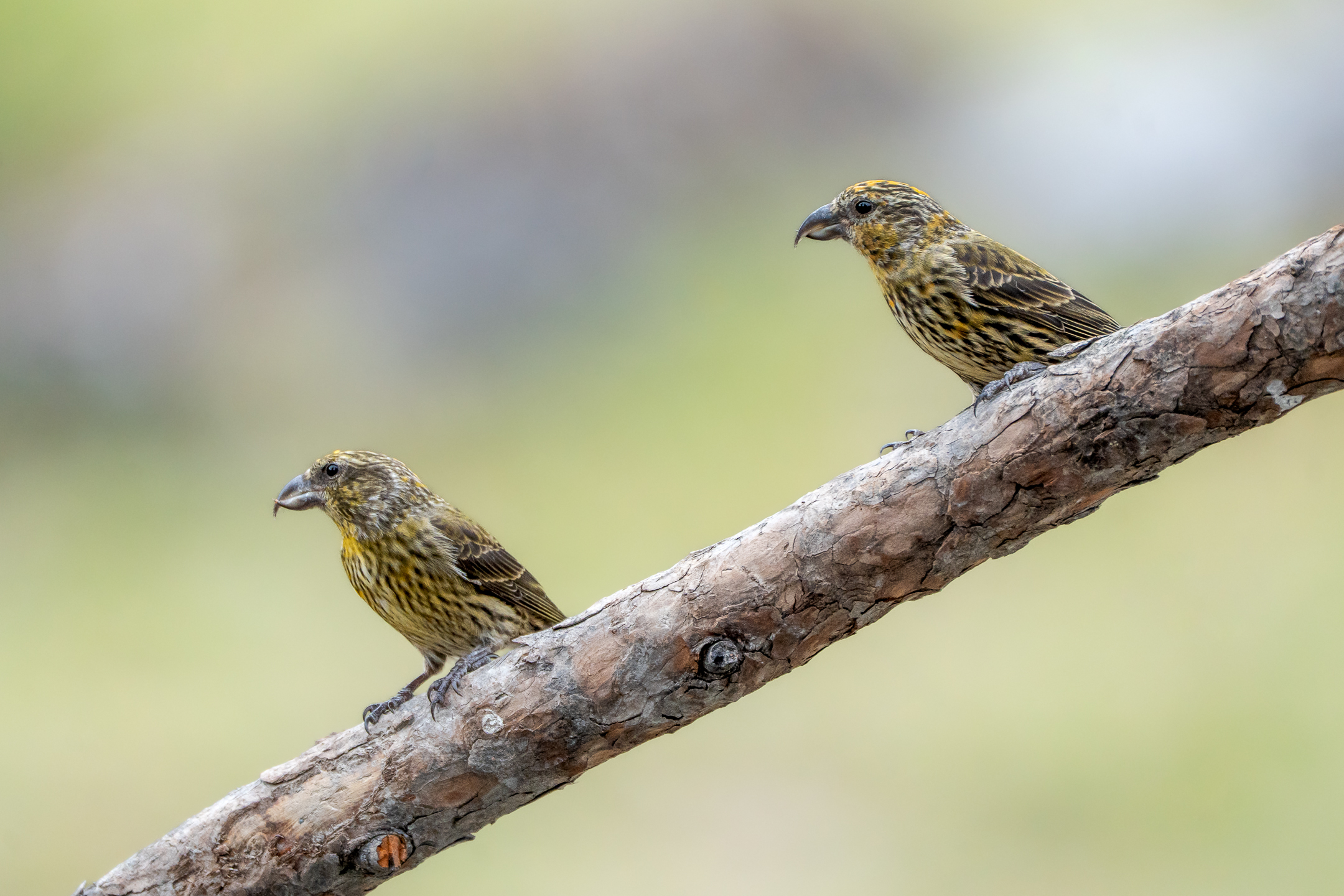
Red Crossbill (Loxia curvirostra) (juveniles) // 1/1000 sec | f/6.3 | ISO 1600 | 600 mm
A little later, young birds appear too. They can be recognised by their grey-brown or brownish streaks and their not yet fully coloured plumage.

Red Crossbill (Loxia curvirostra) // 1/1000 sec | f/6.3 | ISO 1000 | 445 mm
Little by little, more and more crossbills appear. Usually they first fly to a branch before coming to the edge of the fountain to drink. Soon almost a dozen birds gather at the water – a wonderful natural spectacle.
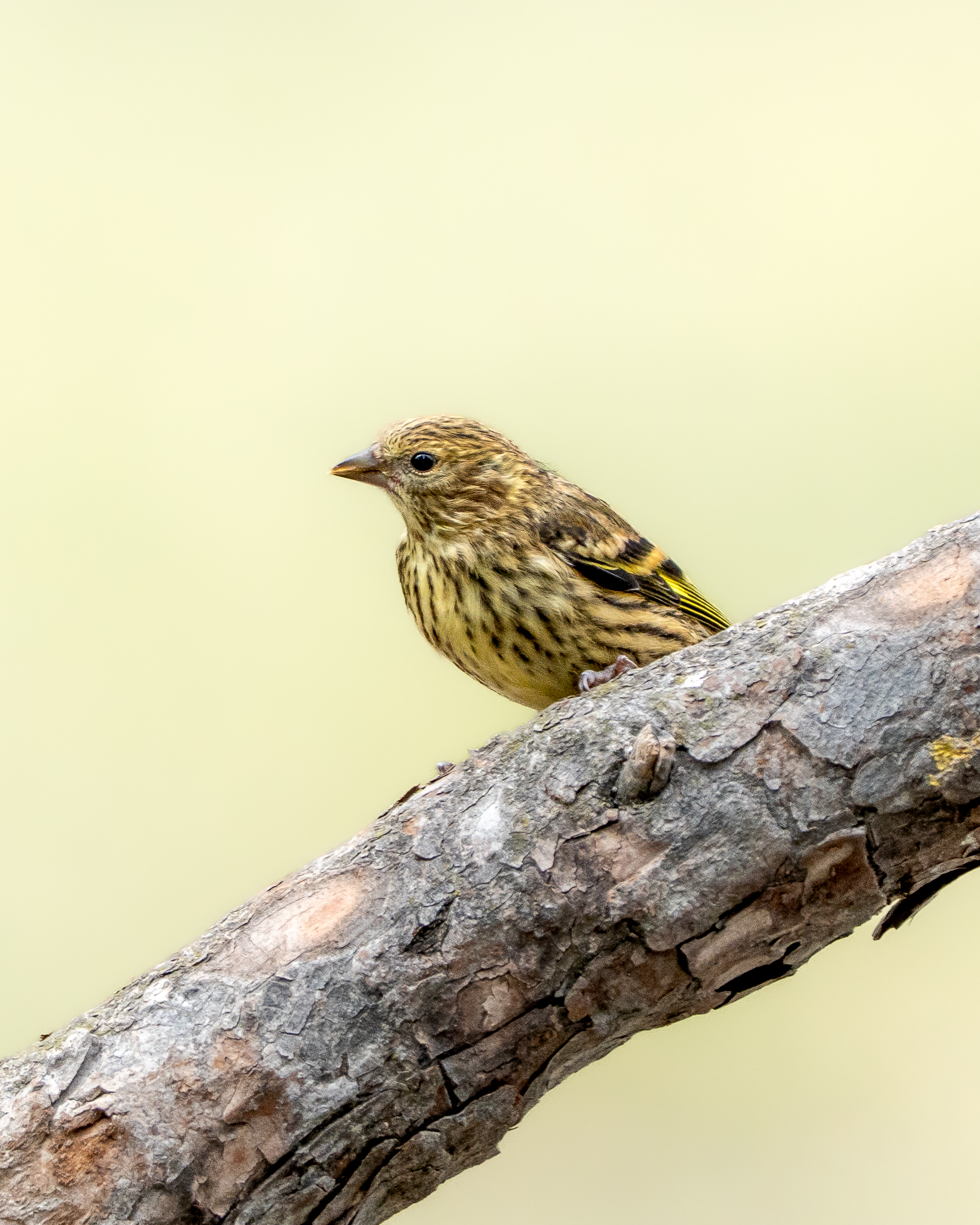
Eurasian Siskin (Spinus spinus) // female (left): 1/1250 sec | f/6.3 | ISO 1000 | 480 mm;
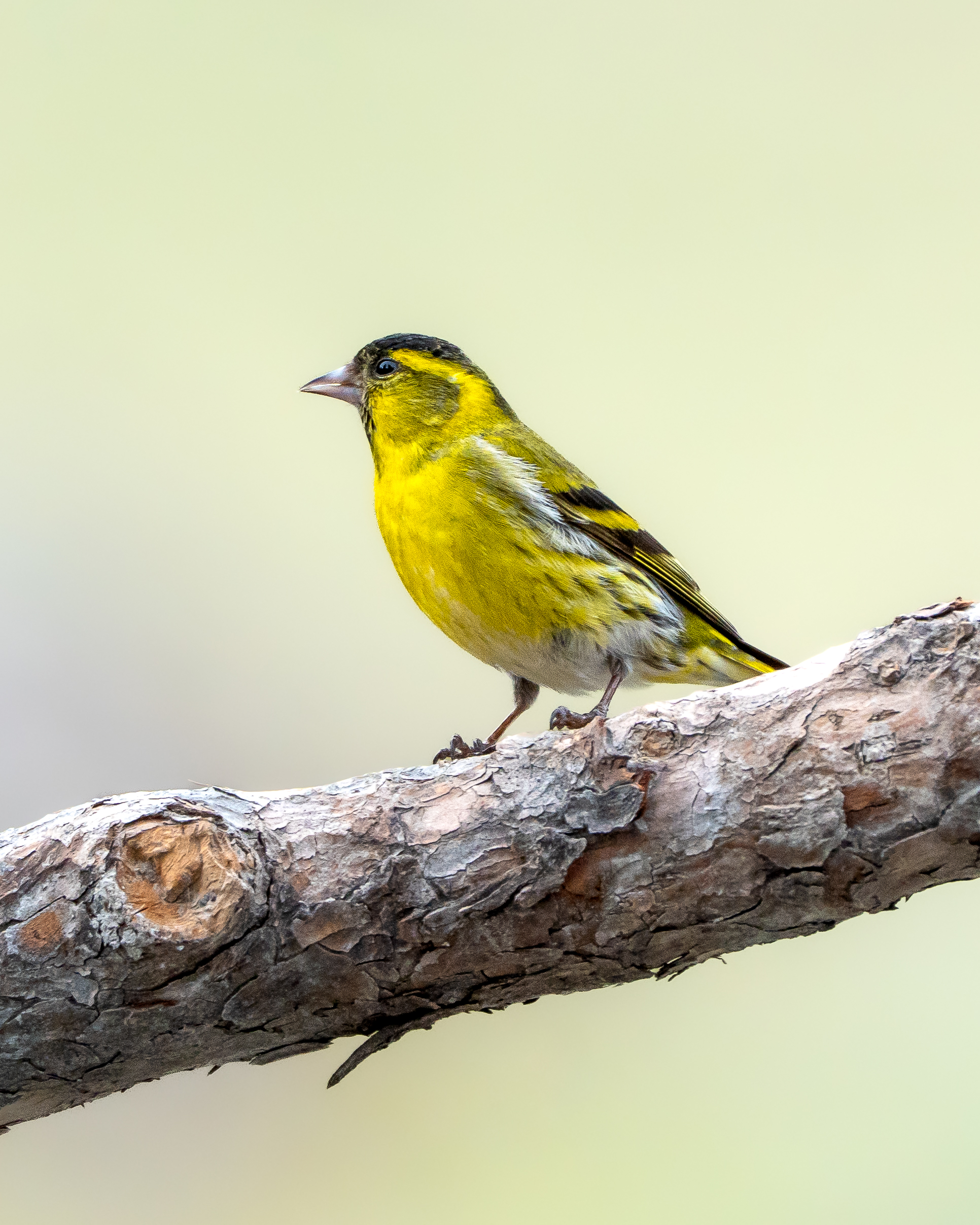
male (right): 1/1000 sec | f/6.3 | ISO 1600 | 600 mm
Only much later do two Eurasian siskins come. Again the female lands first and drinks, followed by the male. When a walker passes by, all the birds flee, but return after a short time.
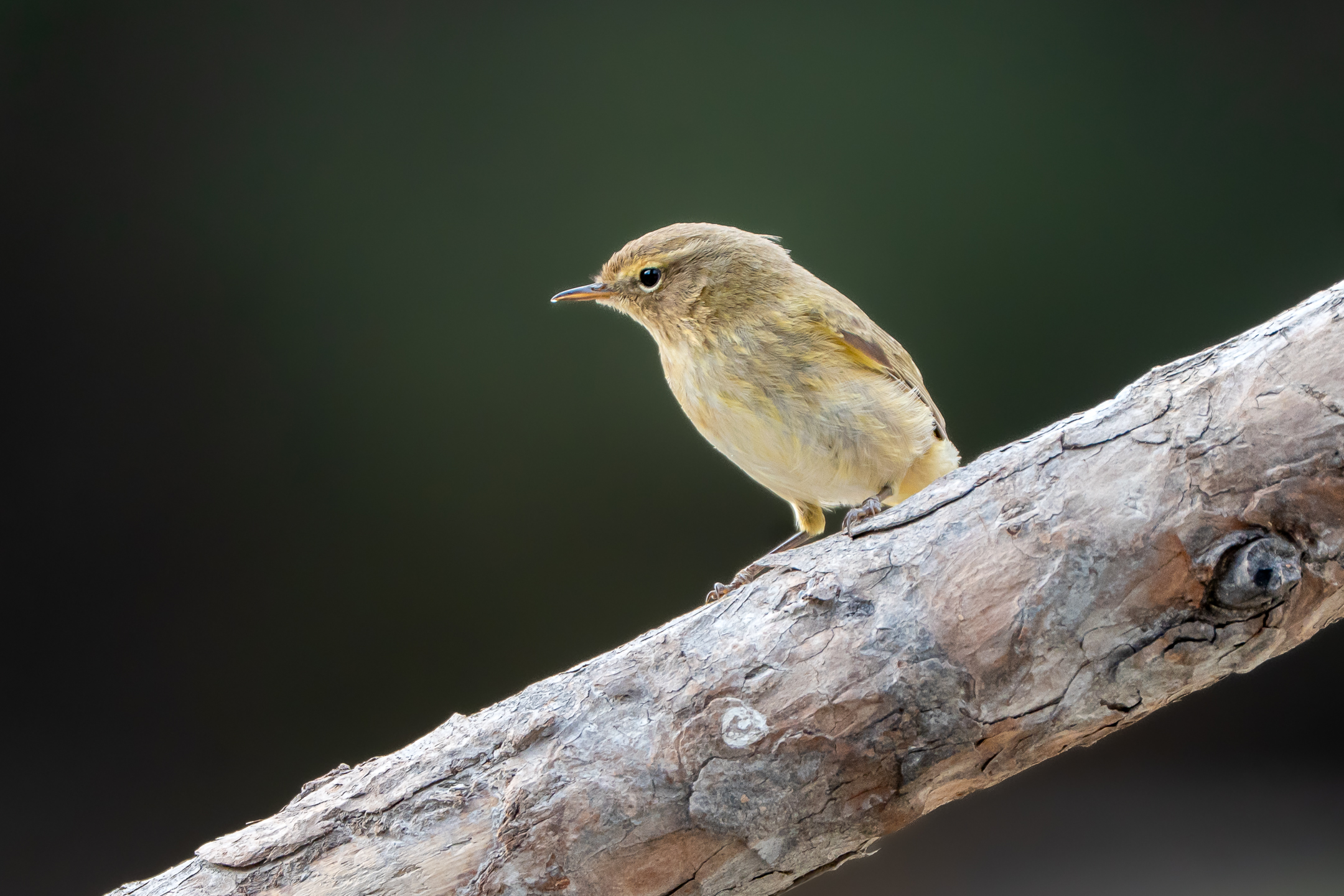
Common Chiffchaff (Phylloscopus collybita) // 1/640 sec | f/6.3 | ISO 1600 | 600 mm
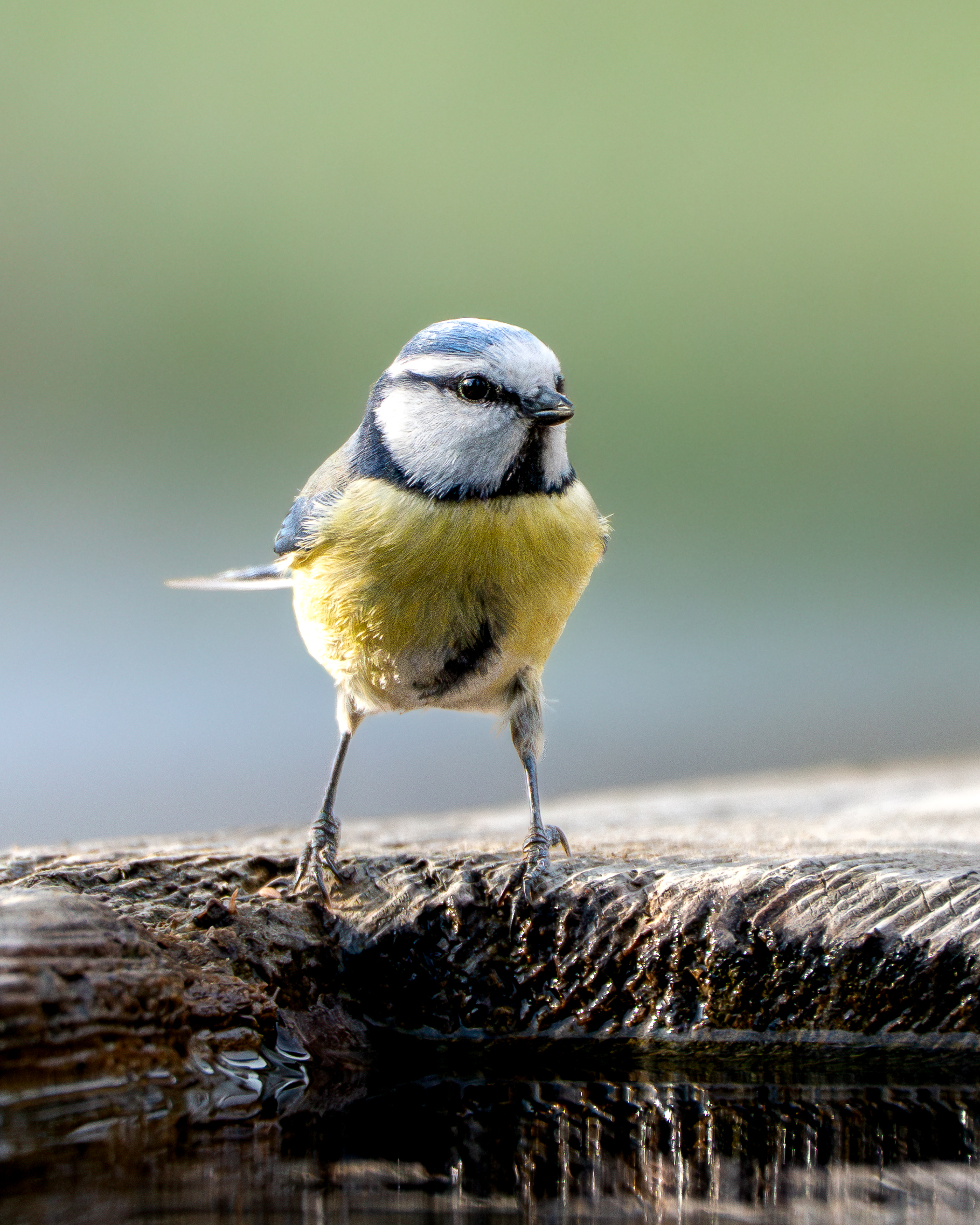
Eurasian Blue Tit (Cyanistes caeruleus) // 1/2500 sec | f/6.3 | ISO 2000 | 600 mm
Besides the crossbills, other species also show up, including a chiffchaff and a blue tit.
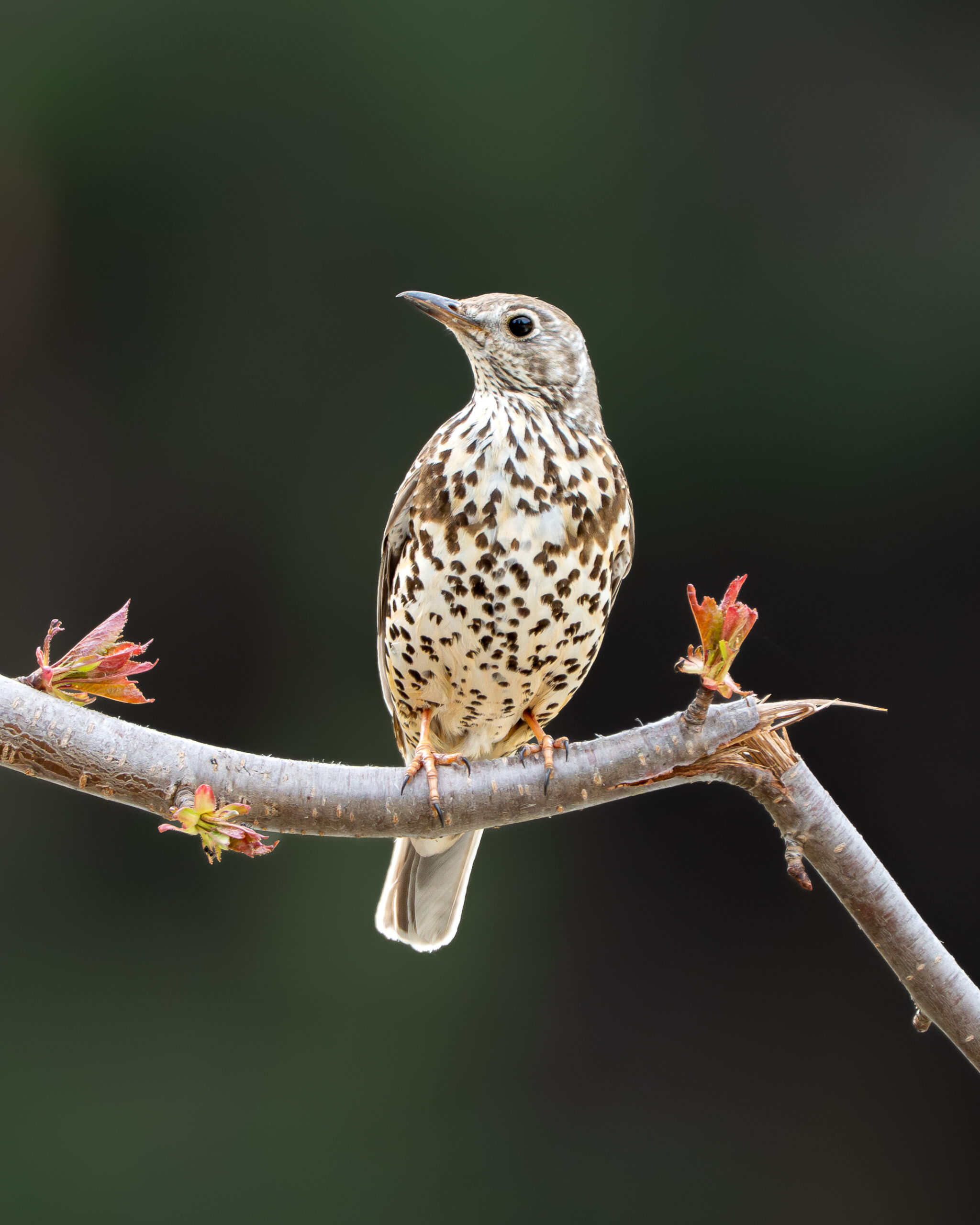
Mistle Thrush (Turdus viscivorus) // 1/800 sec | f/6.3 | ISO 2000 | 600 mm
I only watch some thrushes from a greater distance. They seem to be shyer and keep their distance, while the crossbills are surprisingly trusting.
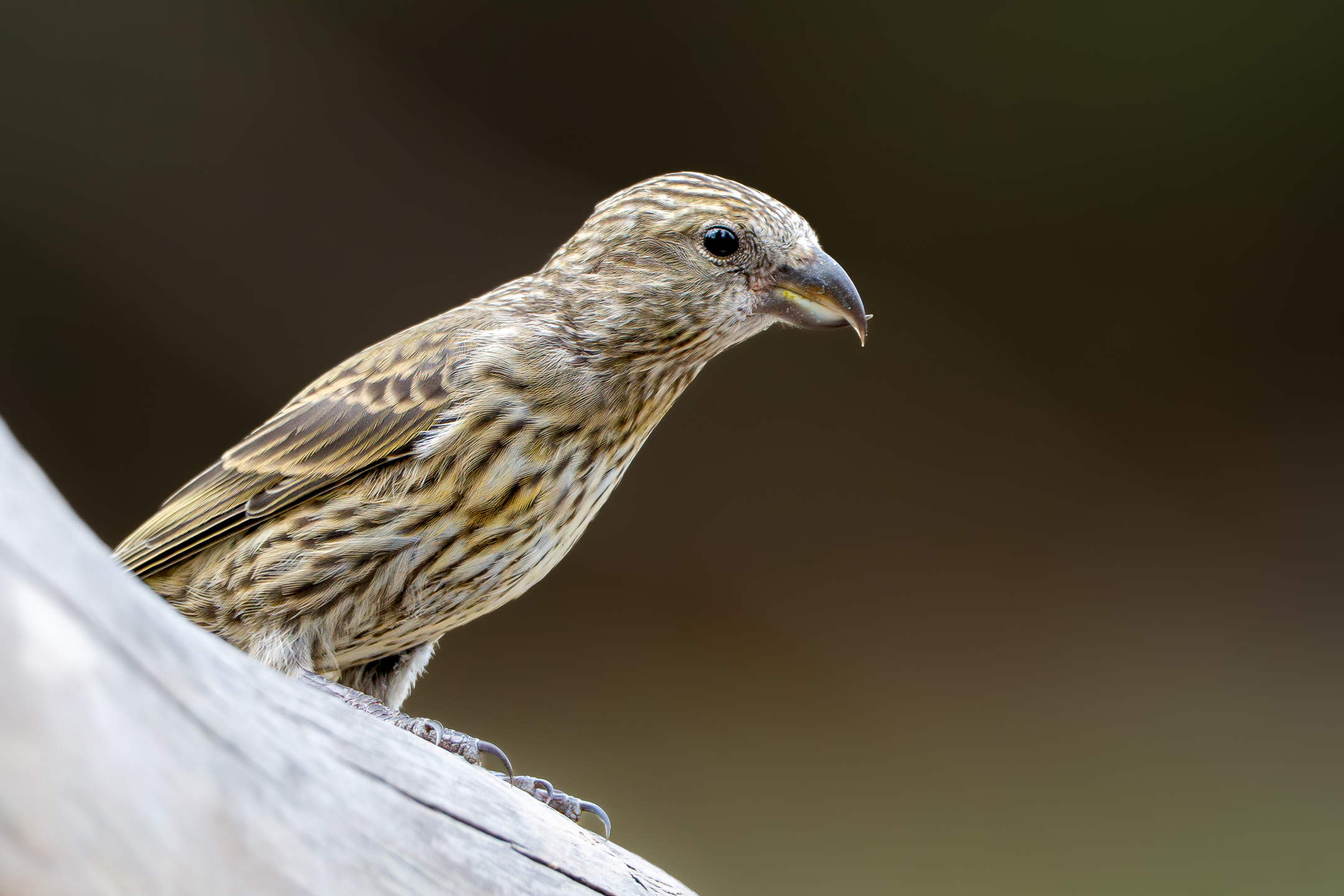
Red Crossbill (Loxia curvirostra) (juvenile) // 1/2000 sec | f/6.3 | ISO 3200 | 480 mm
A young crossbill flies straight onto the fountain pipe and looks at me curiously.
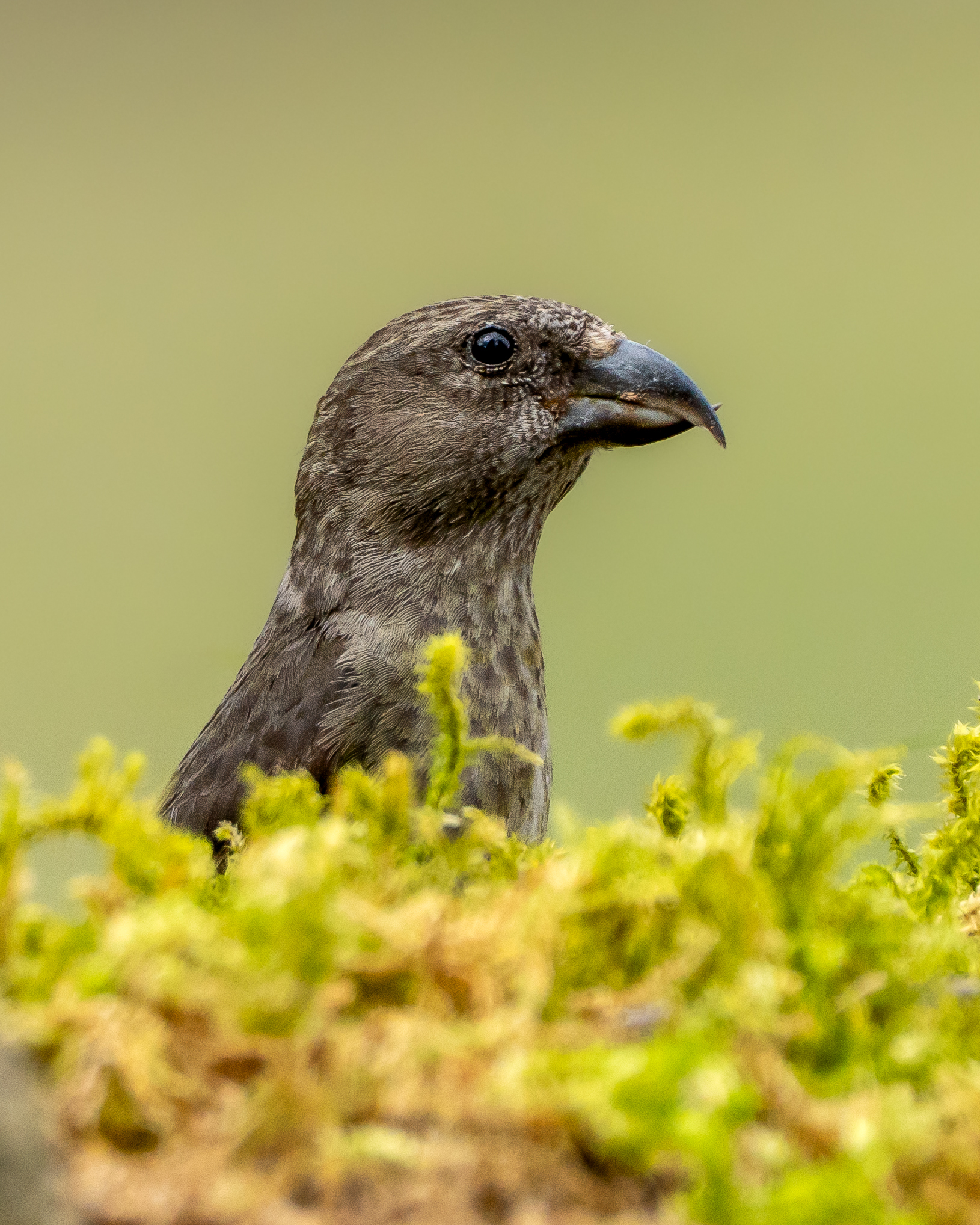
Red Crossbill (Loxia curvirostra) (female) // 1/2000 sec | f/6.3 | ISO 1250 | 600 mm
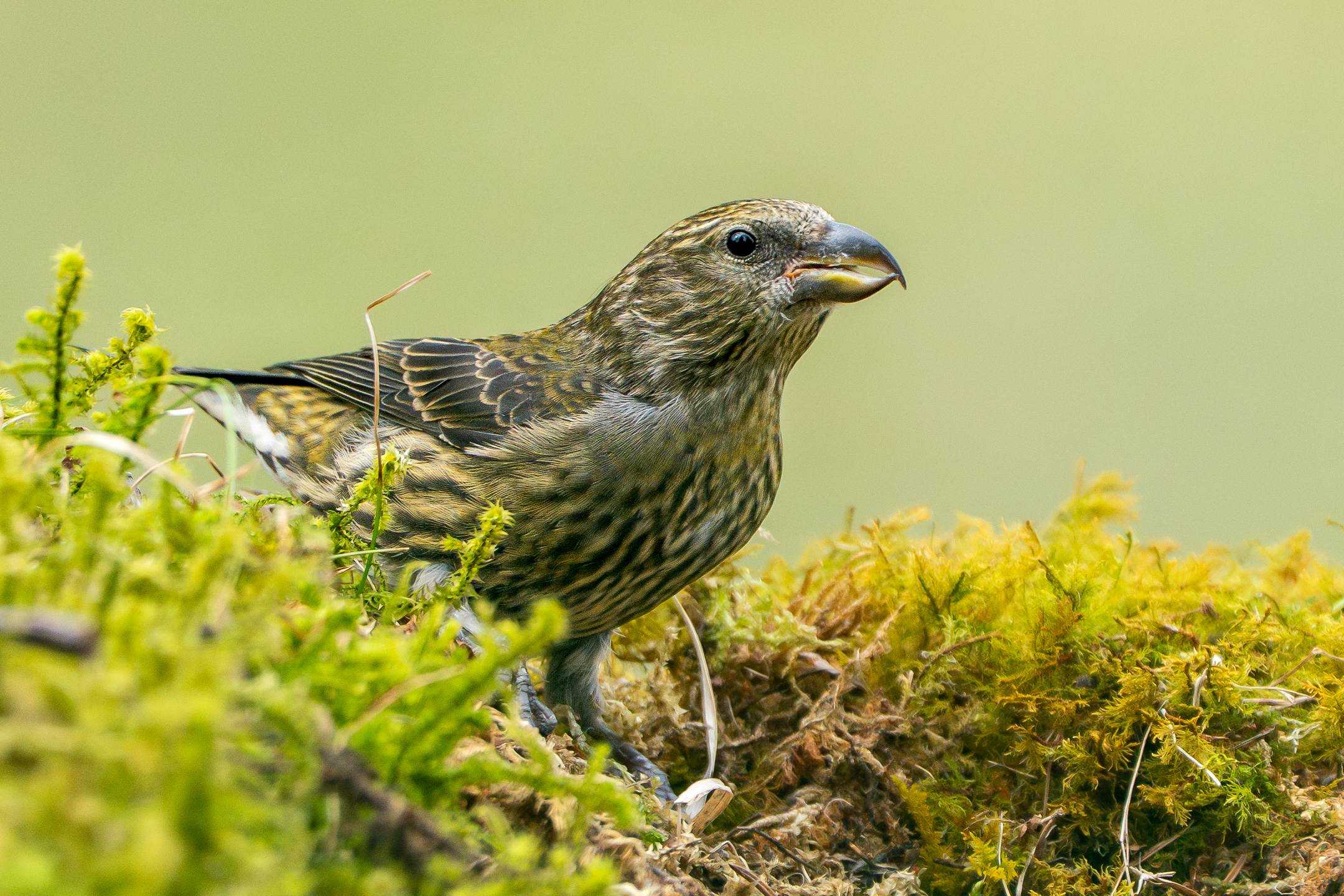
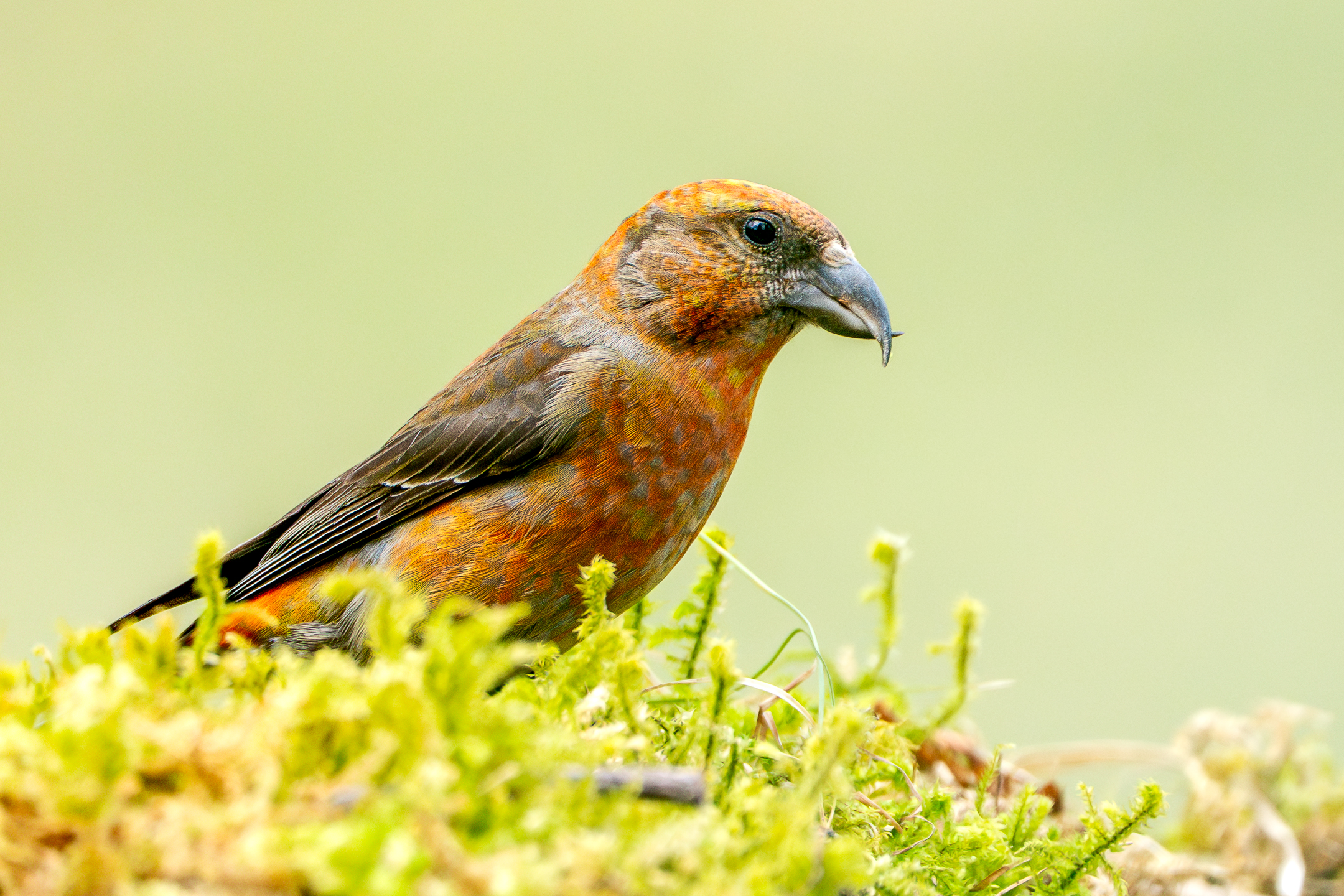
Red Crossbill (Loxia curvirostra) // juvenile (left): 1/2500 sec | f/6.3 | ISO 2000 | 600 mm;
male (right): 1/2500 sec | f/6.3 | ISO 2000 | 600 mm
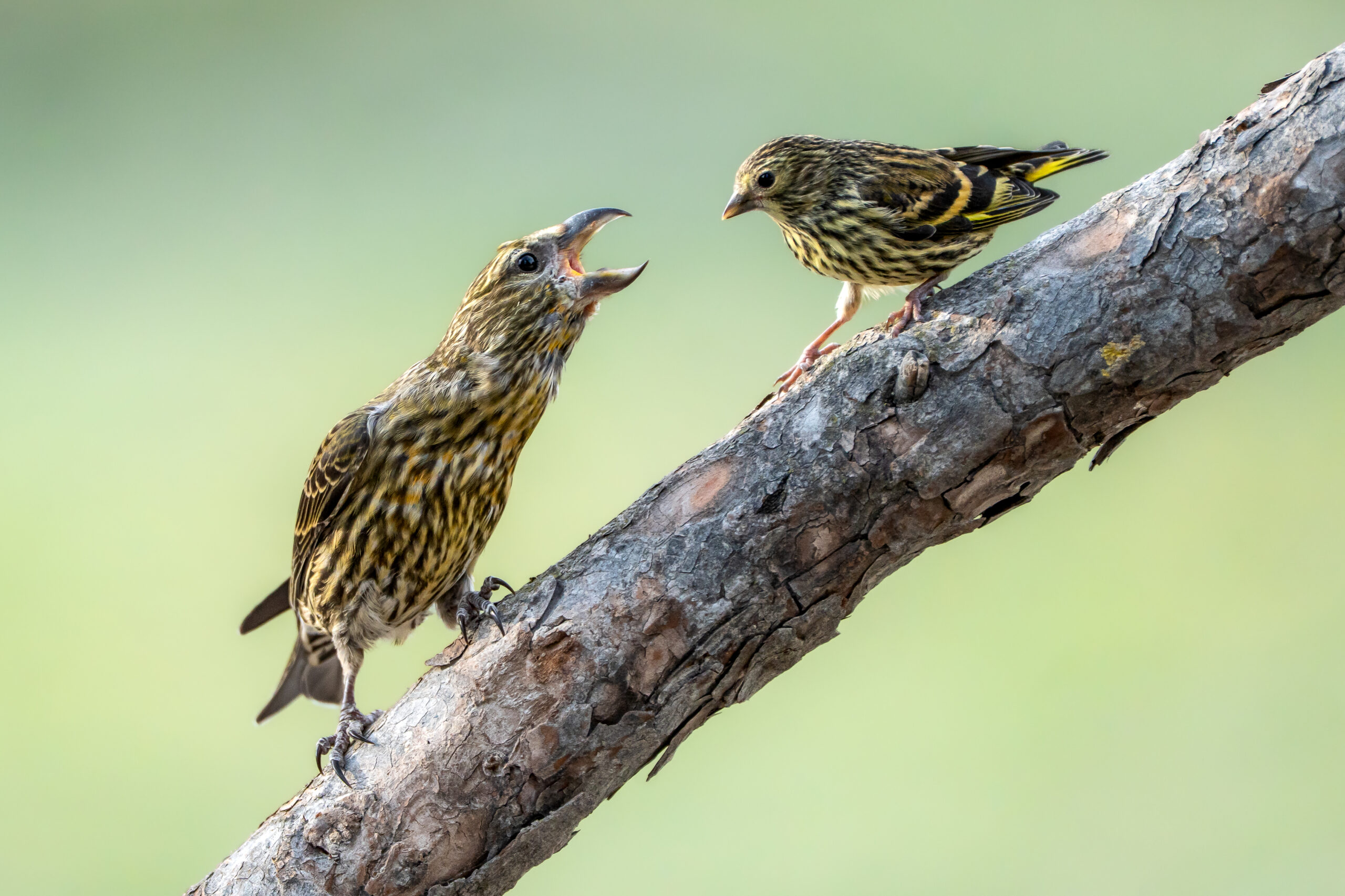
Red Crossbill (Loxia curvirostra) (female) & Eurasian Siskin (Spinus spinus) // 1/1000 sec | f/6.3 | ISO 1250 | 600 mm
The female seems to be bothered by the siskin. It opens its characteristically crossed bill in a threatening gesture. Soon, however, it lets it be. The similarity of the two species in colouring and pattern is striking, even though they are clearly separate biologically.
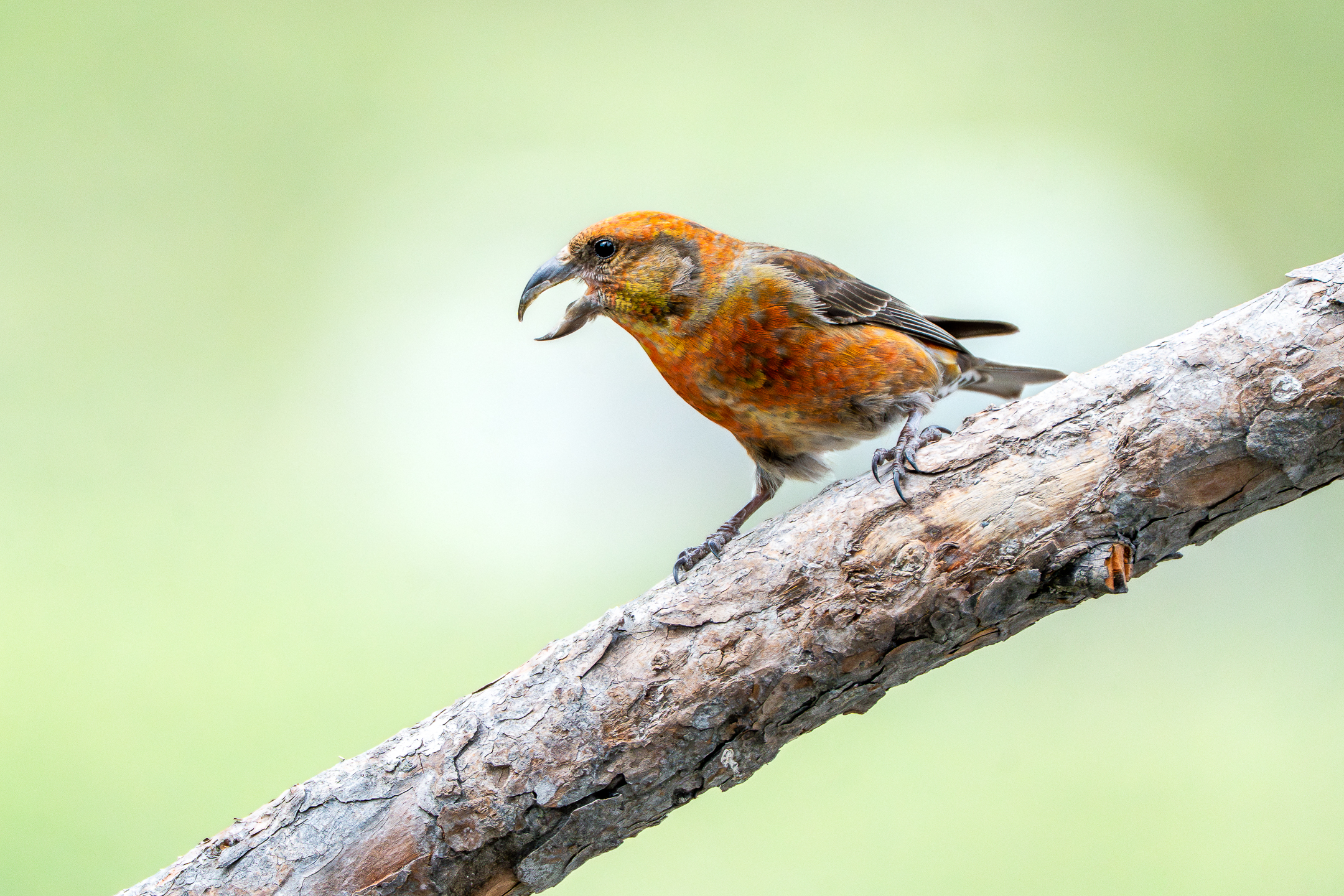
Red Crossbill (Loxia curvirostra) (male) // 1/2500 sec | f/6.3 | ISO 2000 | 600 mm
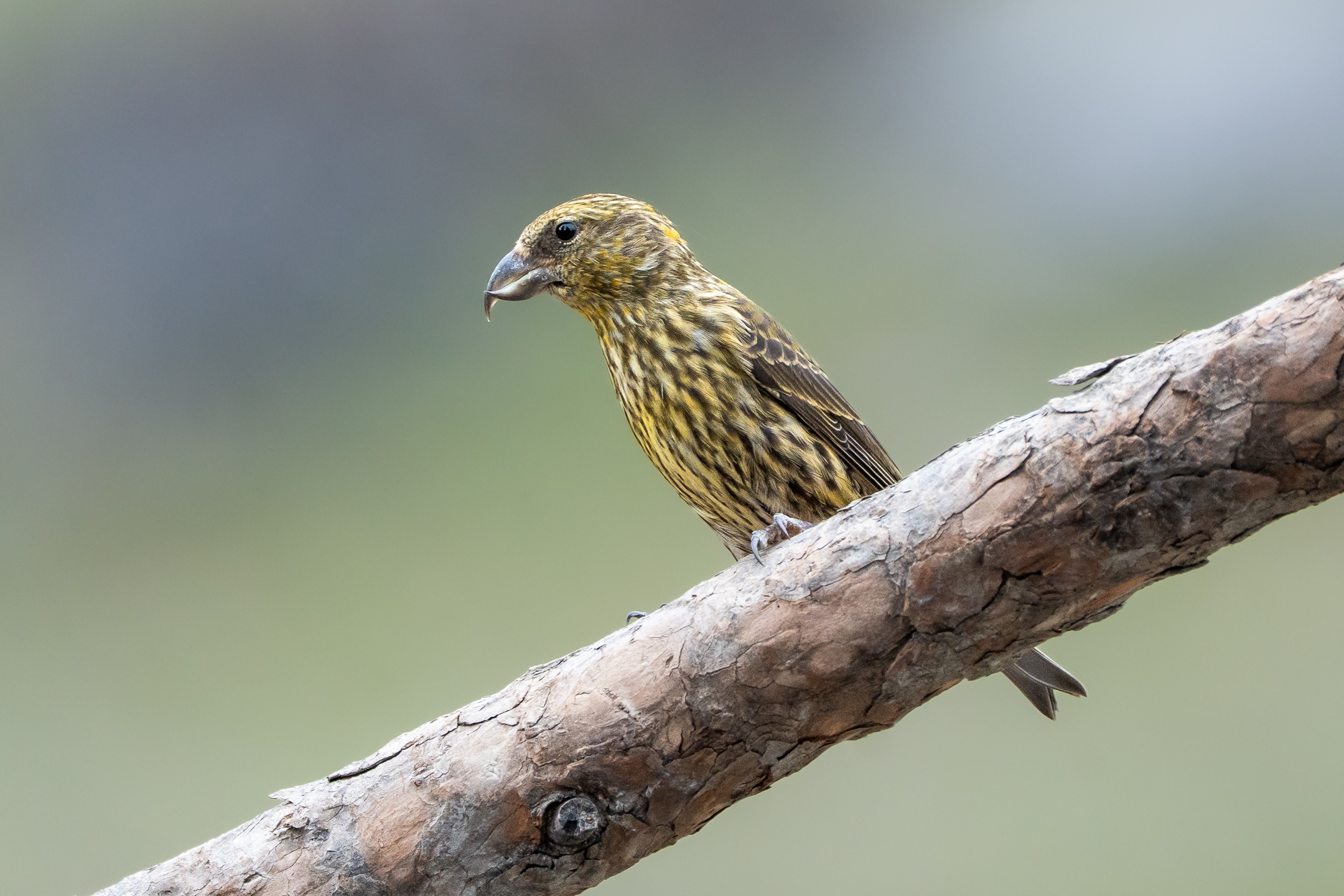
Red Crossbill (Loxia curvirostra) (juvenile) // 1/1000 sec | f/6.3 | ISO 1600 | 600 mm
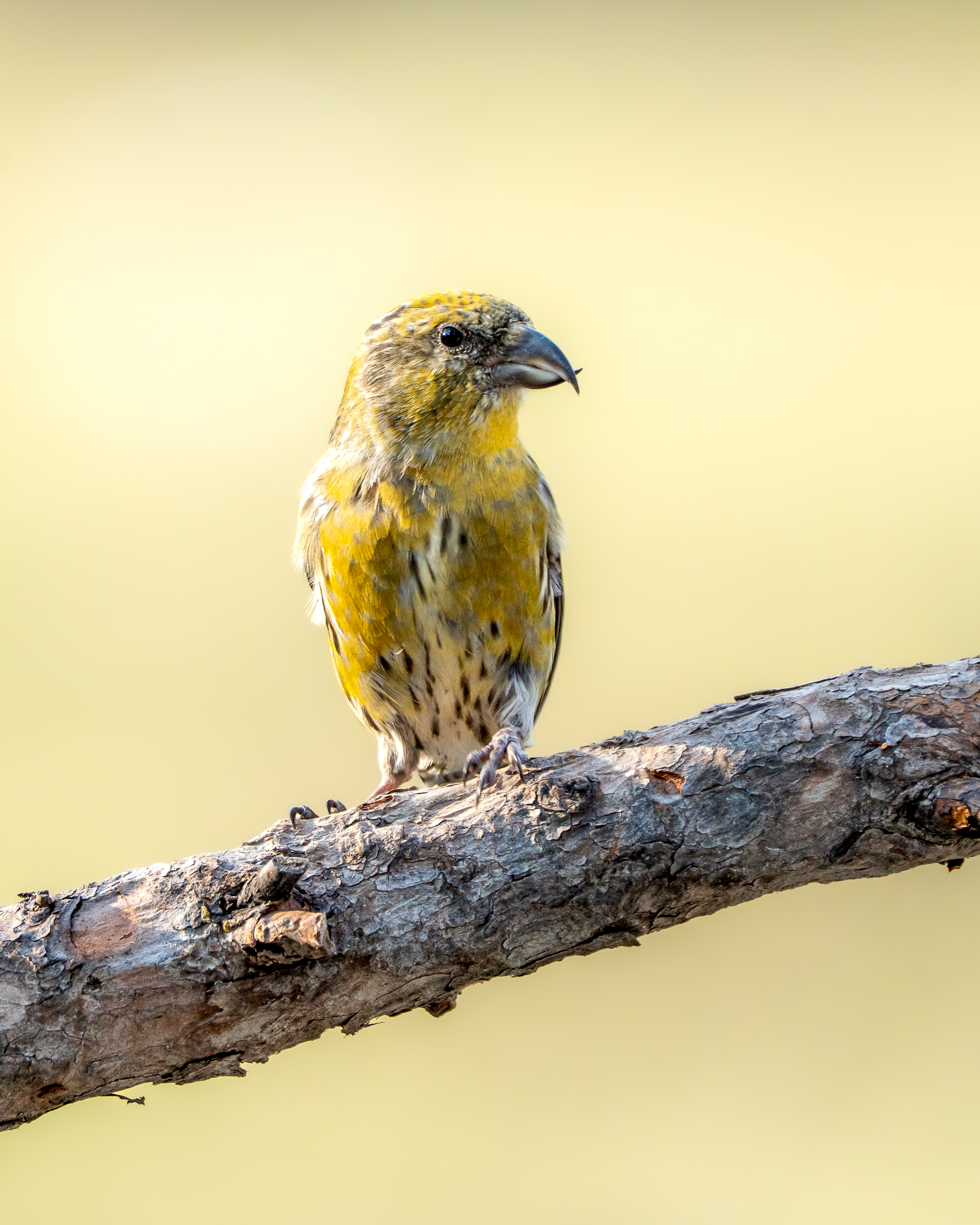
Red Crossbill (Loxia curvirostra) (female) // 1/1000 sec | f/6.3 | ISO 1000 | 600 mm
As dusk approaches, the light becomes more and more beautiful. During the so-called “golden hour” the light is particularly beautiful.
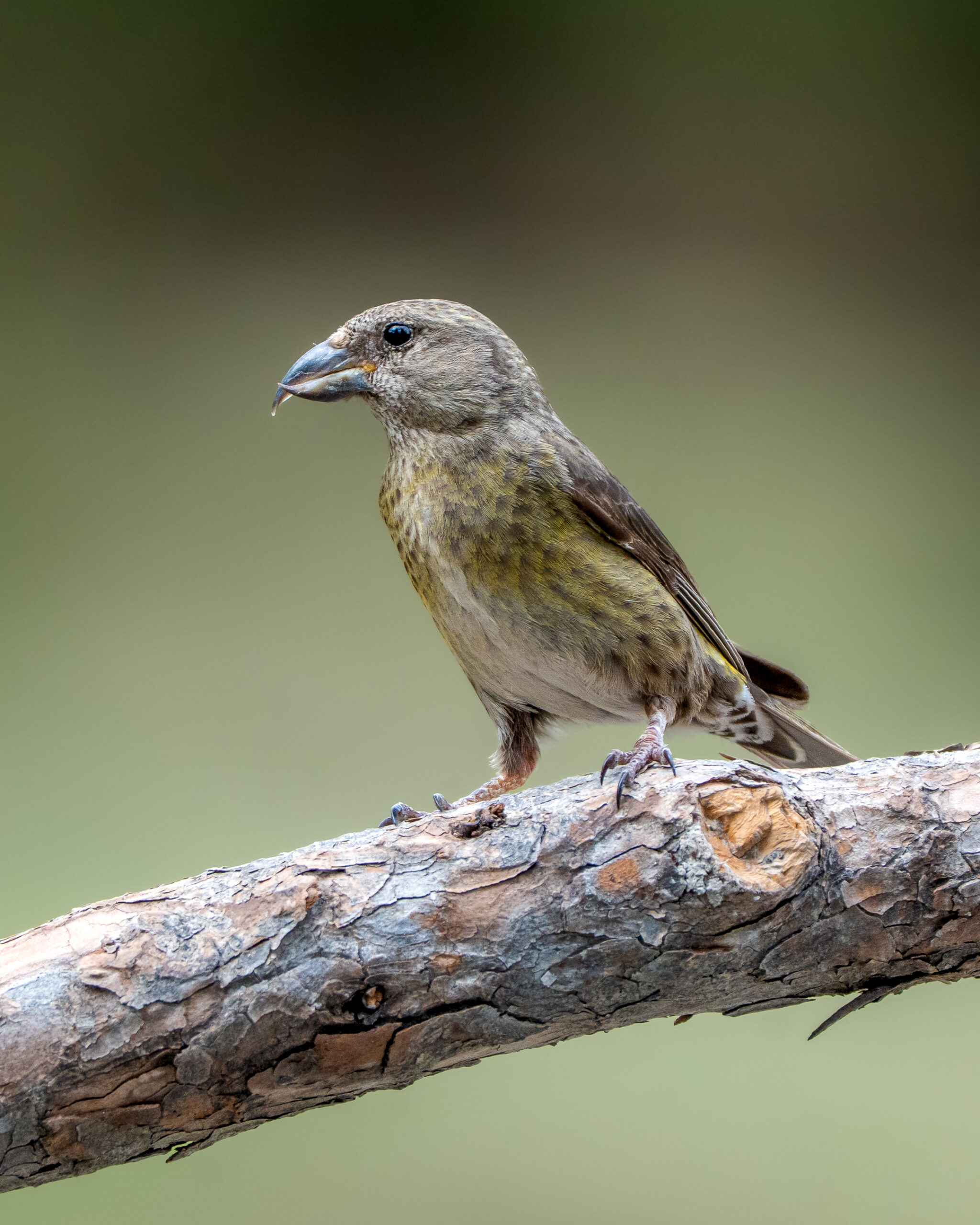
Red Crossbill (Loxia curvirostra) (female) // 1/1000 sec | f/6.3 | ISO 1600 | 600 mm
Depending on the camera angle, the effect is completely different. This picture shows a female against a darker background – a strong contrast to the previous shot.
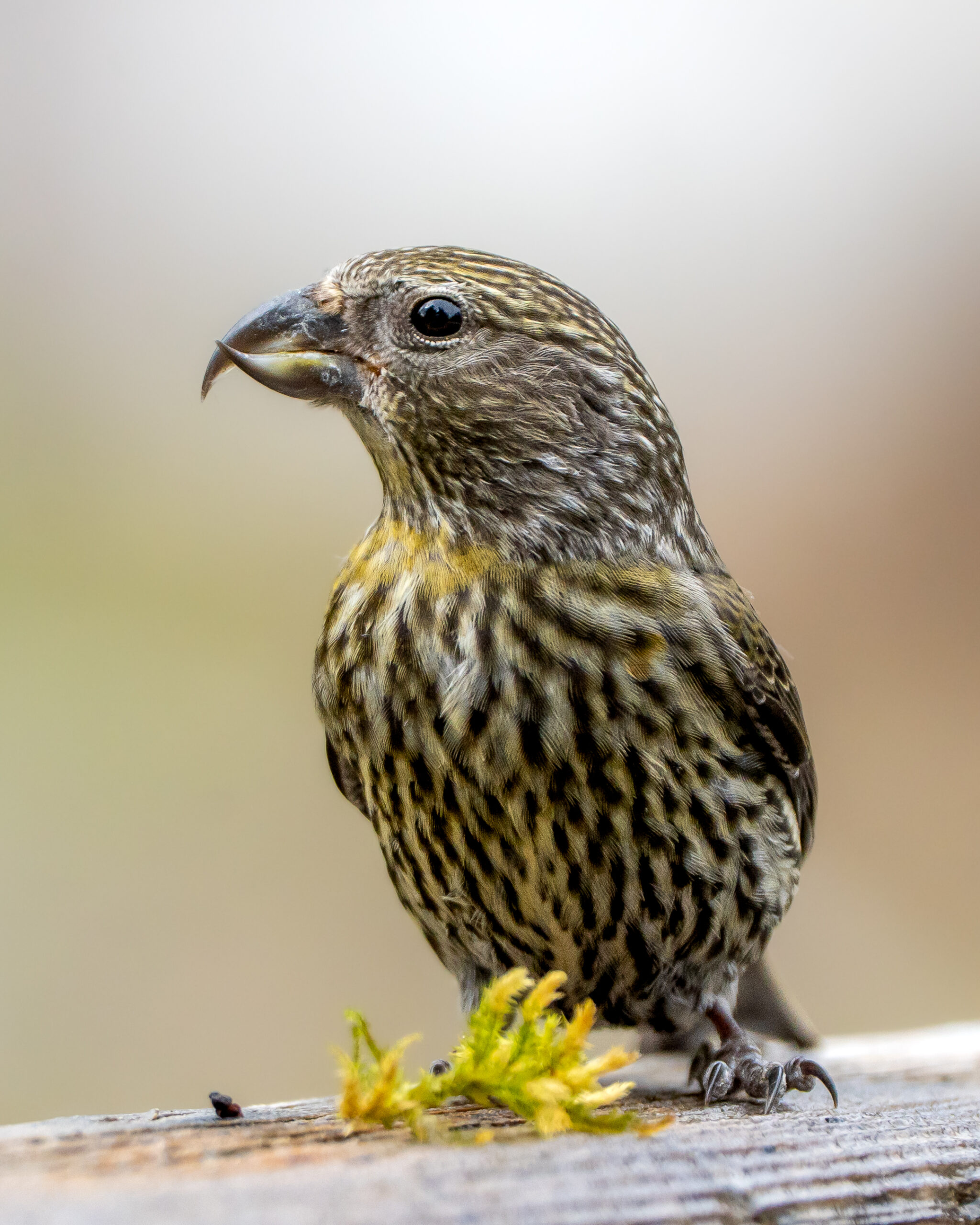
Red Crossbill (Loxia curvirostra) (juvenile) // 1/2000 sec | f/6.3 | ISO 1250 | 600 mm
Before it gets dark, I venture even closer to the fountain to try a portrait. And indeed – the birds are trusting, and I manage a shot with impressive sharpness.
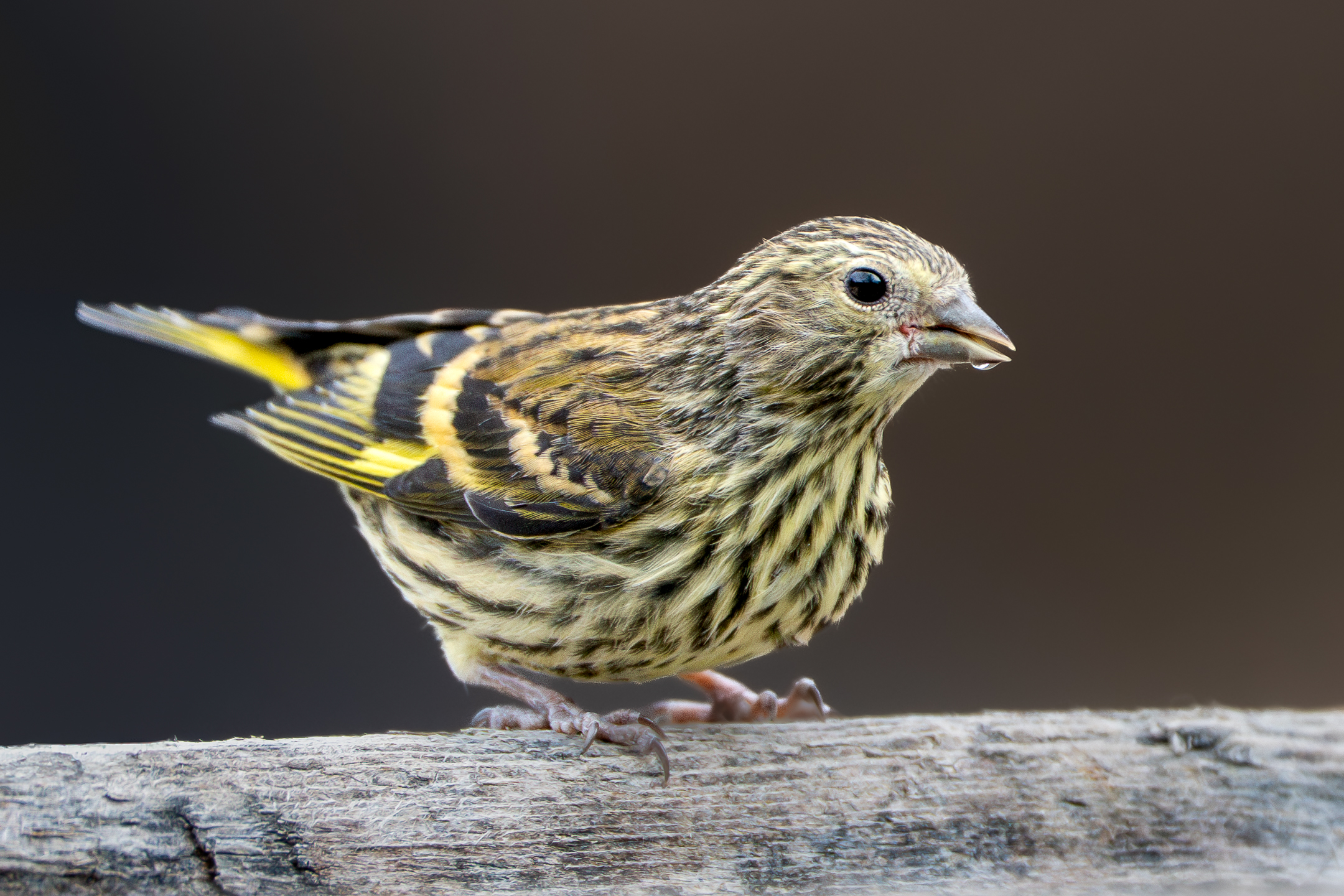
Eurasian Siskin (Spinus spinus) (female) // 1/2000 sec | f/6.3 | ISO 2000 | 600 mm
A female siskin can also be photographed at close range. The dark background makes it stand out superbly.
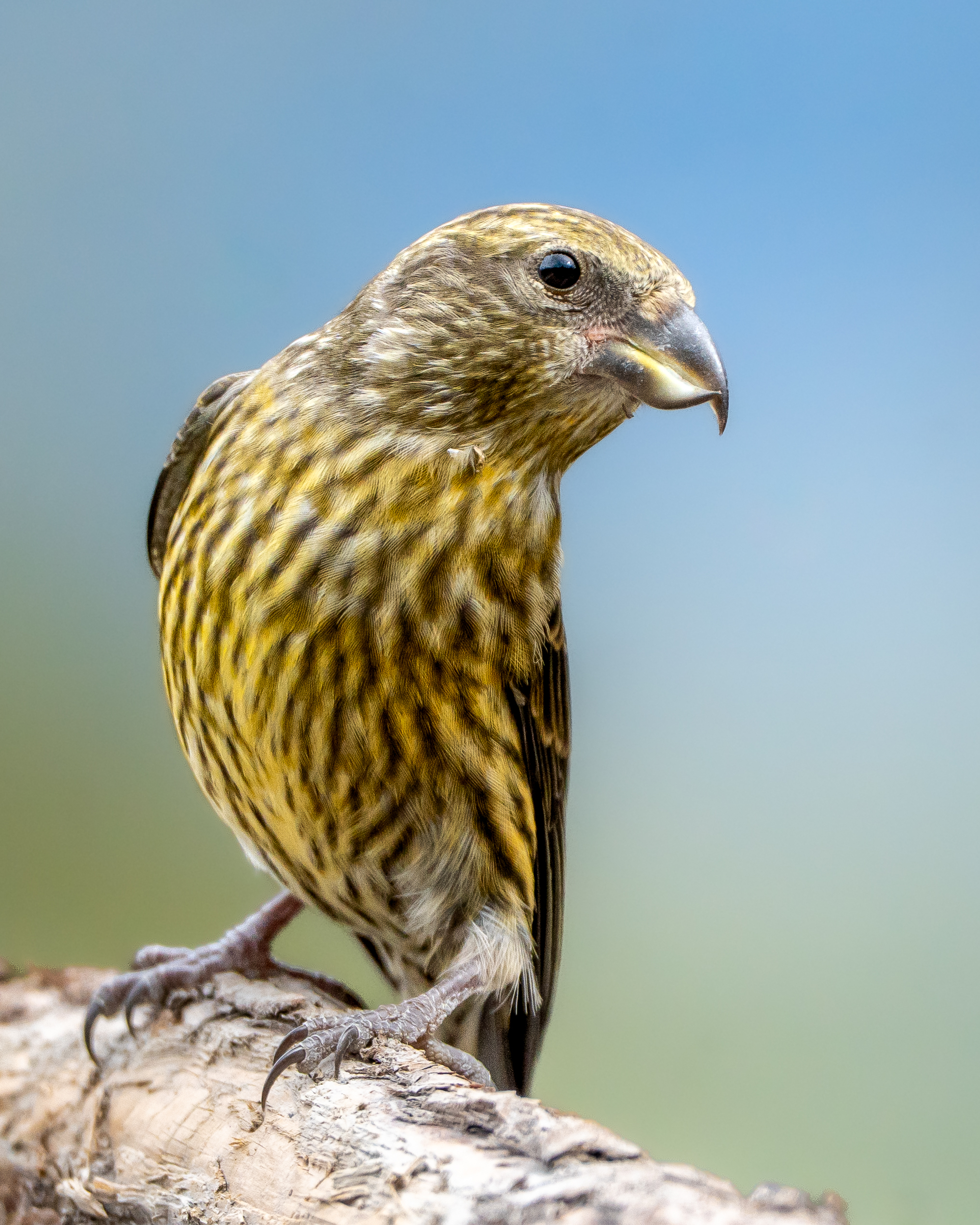
Red Crossbill (Loxia curvirostra) (juvenile) // 1/1250 sec | f/6.3 | ISO 1250 | 600 mm
For this shot of a young bird I positioned myself lower. The transition from the green of the forest to the blue of the sky harmonises wonderfully with the yellowish plumage. A picture that has a special effect on me.
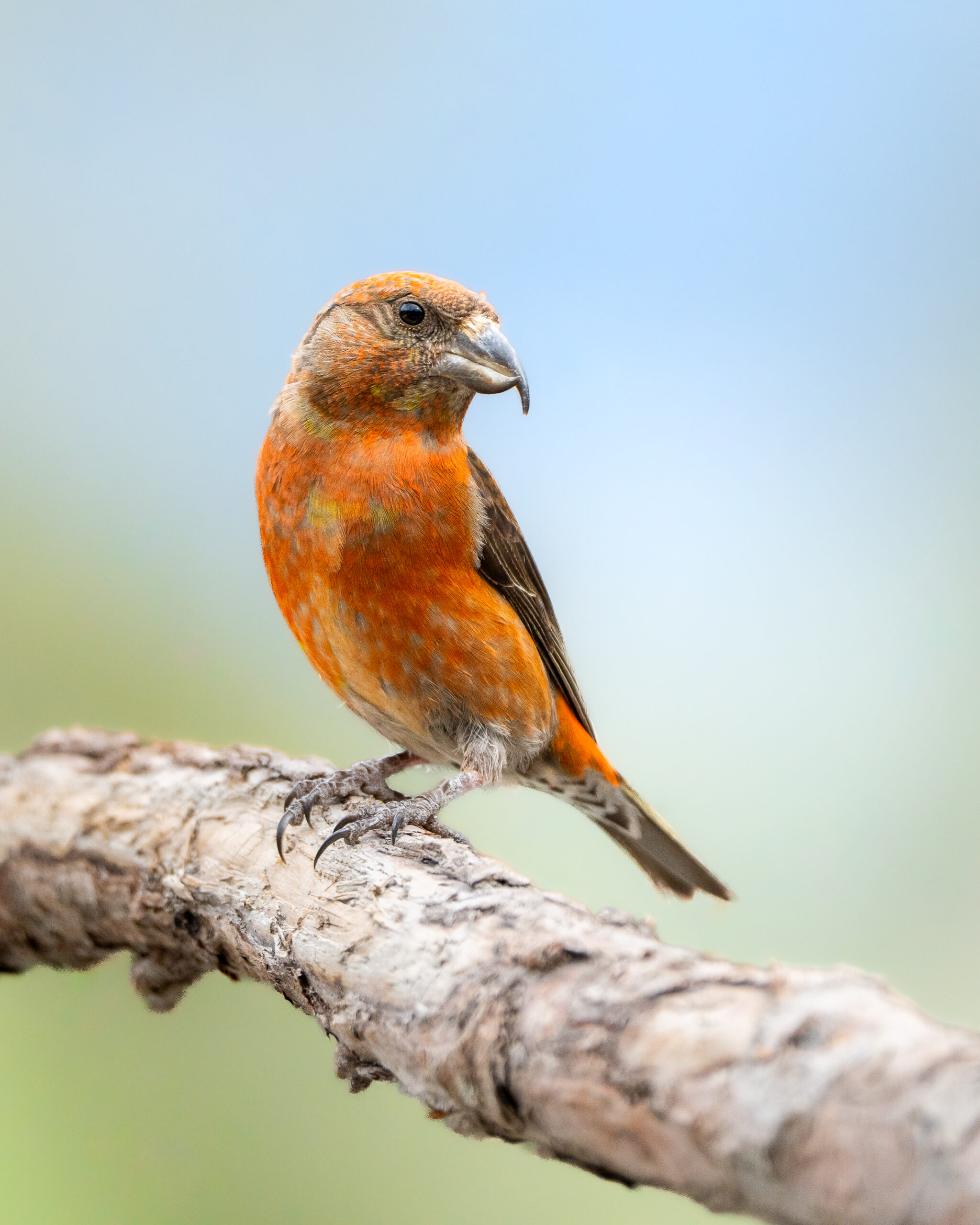
Red Crossbill (Loxia curvirostra) (male) // 1/1250 sec | f/6.3 | ISO 1600 | 600 mm
Another male appears, whose plumage looks particularly intensely red in the evening light. This is due to the warm light of the low sun, which further emphasises the colours. The reddish colouring comes from food containing carotenoids – depending on the individual diet, the intensity of the colour can vary.
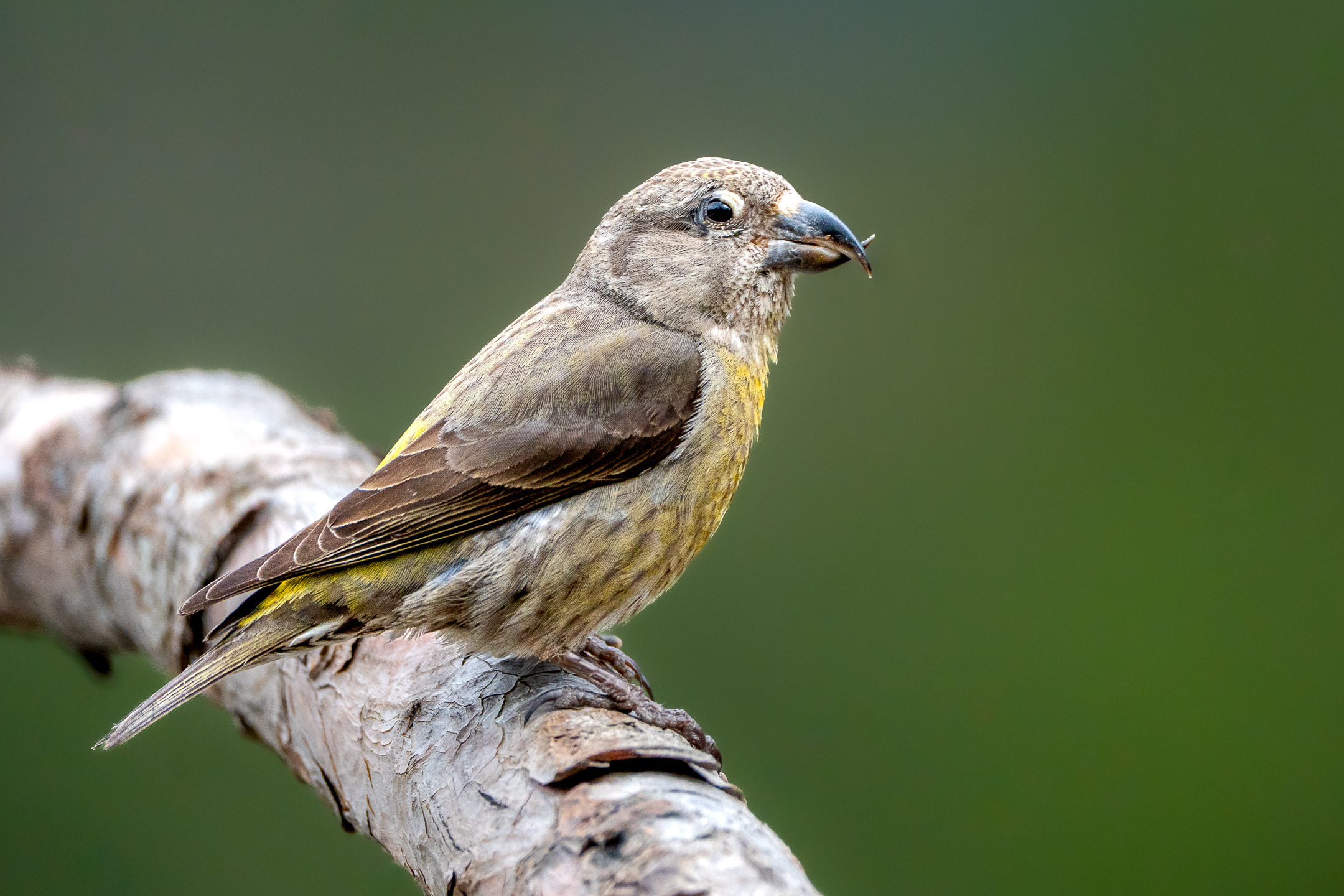
Red Crossbill (Loxia curvirostra) (juvenile) // 1/2000 sec | f/6.3 | ISO 2500 | 600 mm
Shortly before dusk I manage to take this picture. The pale stripe above the eye is striking – a typical feature of young crossbills. With its curved bill and lively colouring, the bird almost reminds me of a small parrot. A tropical-looking bird in the Alps – what do you think? Feel free to write it in the comments!
Good to know:
Red crossbills feed mainly on the seeds of various conifers – especially spruce, pine and larch. With their crossed bill they can skilfully prise open the cones. They breed regardless of the season, often even in the middle of winter, as long as there is enough food.
Sources:
- Vogelporträt: Fichtenkreuzschnabel – NABU [in German]. (n.d.). NABU – Naturschutzbund Deutschland e.V. https://www.nabu.de/tiere-und-pflanzen/voegel/portraets/fichtenkreuzschnabel/
Leave a Reply